Quick answer: 10K gold is 41.7% pure gold, 14K is 58.3% and 18K is 75%. More gold means a richer yellow color and a higher price, but also a softer metal. For most people, 14K is the best choice: strong enough for a ring you wear every day and still clearly golden. Choose 18K for pieces that see less wear, like earrings and pendants, and 10K when budget and toughness matter most.
The short comparison
Our verdict: pick 14K unless you have a specific reason not to. Pick 18K if you love a deep yellow and the piece won't take hard knocks. Pick 10K if price or durability is the priority and the paler color doesn't bother you.
What the "K" actually means
Karat (K) measures how much of the metal is pure gold, out of 24 parts. Pure gold is 24K, and it's far too soft for most jewelry: you can dent a 24K ring with your teeth. So jewelers mix (alloy) gold with metals like silver, copper, zinc and palladium to make it stronger and to change its color.
- 24K = 24 of 24 parts gold (99.9%)
- 18K = 18 of 24 parts gold (75%)
- 14K = 14 of 24 parts gold (58.3%)
- 10K = 10 of 24 parts gold (41.7%)
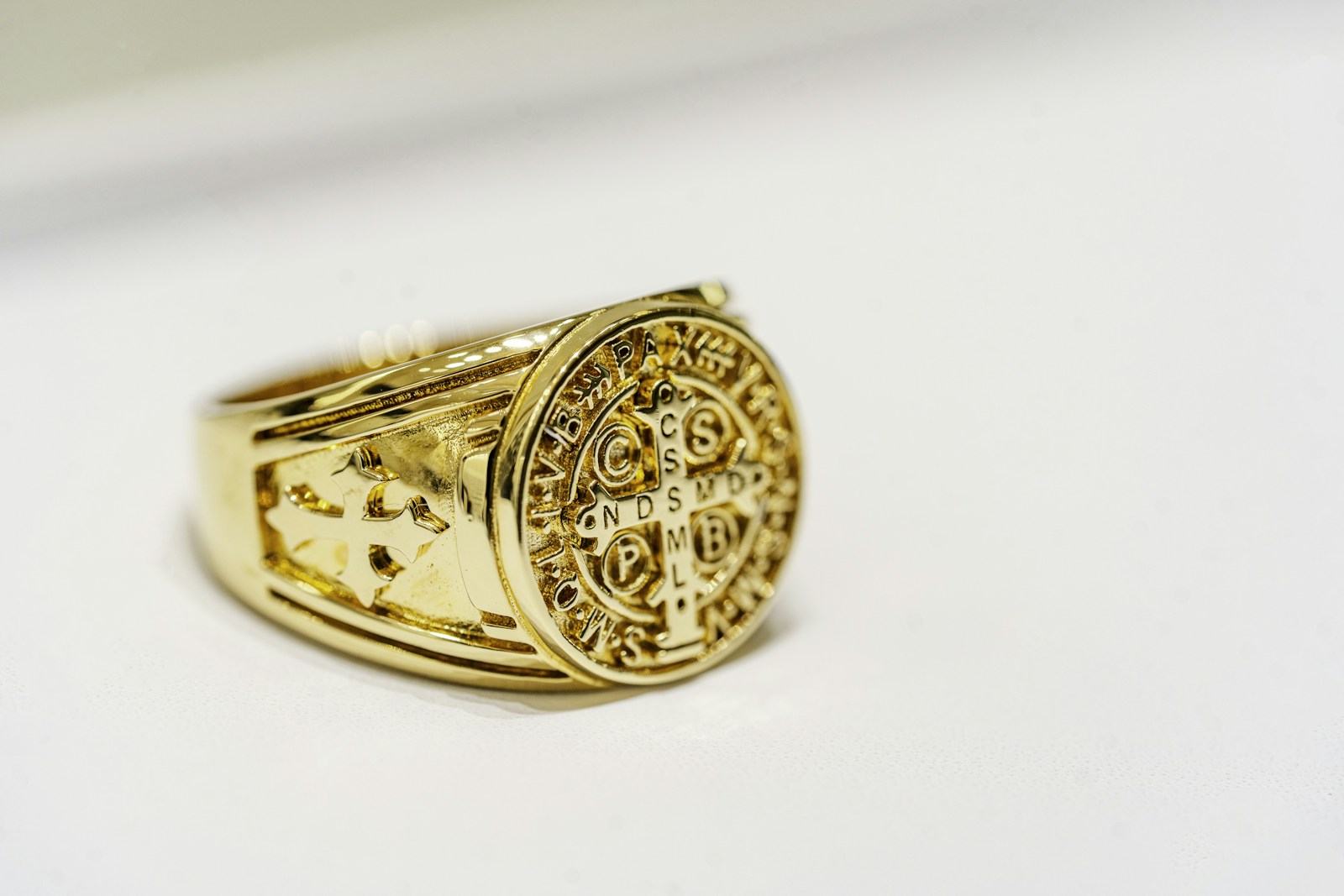
In the US, 10K is the lowest karat that can legally be sold and stamped as "gold." Look for a stamp inside the band: 10K, 14K or 18K, or the European equivalents 417, 585 or 750.
10K vs 14K gold
This is the most common question we get from people buying a first "real gold" piece.
Durability: 10K is harder, so it shows fewer scratches. The difference is real but smaller than people expect. A well-made 14K ring holds up to daily wear for decades.
Color: this is where you'll see it. Put a 10K and a 14K yellow gold ring side by side and the 10K looks lighter and slightly brassy. If she already owns 14K pieces, a 10K ring next to them will look like it doesn't match.
Skin: 10K contains more alloy metal. If anyone has reacted to cheap jewelry before, 14K or higher is the safer pick.
Price: 10K costs less because there's less gold in it. Gold price drives most of the cost of a plain band, so the gap grows with heavier pieces.
Choose 10K if you want the toughest, most affordable option for a men's ring or a piece that will be knocked around. Choose 14K for almost everything else.
14K vs 18K gold
Color: 18K is noticeably more yellow, closer to the warm gold you see in vintage jewelry. 14K is a slightly softer, brighter gold.
Durability: 18K is softer. It scratches and wears faster, and thin prongs or delicate bands in 18K need more care. That's why many jewelers recommend 14K for rings worn every day and 18K for earrings and pendants.
Skin: 18K has the least alloy, so it's the best choice for very sensitive skin (with platinum as the other option).
Price: 18K costs more, roughly in proportion to its higher gold content.
14K vs 18K for an engagement ring
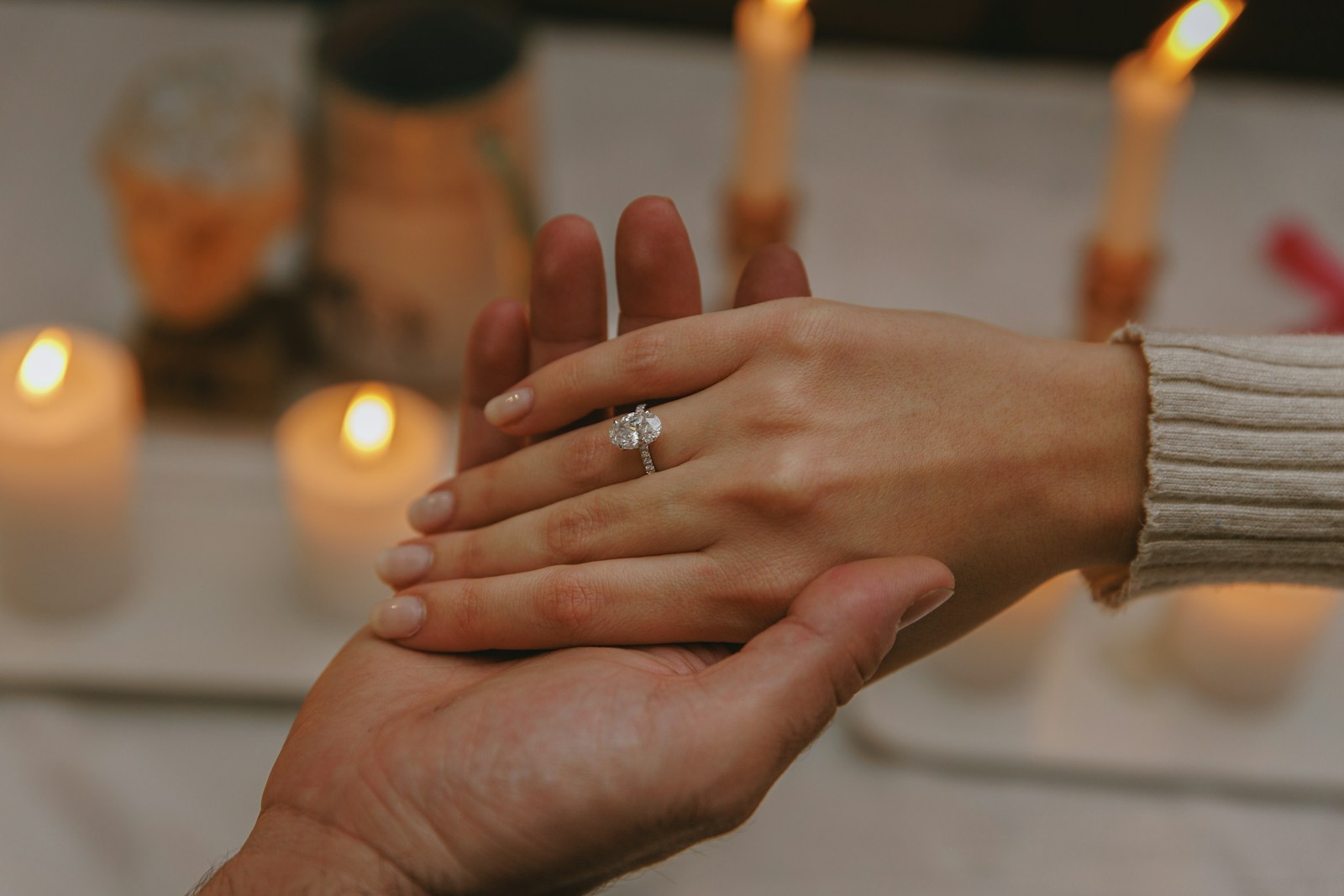
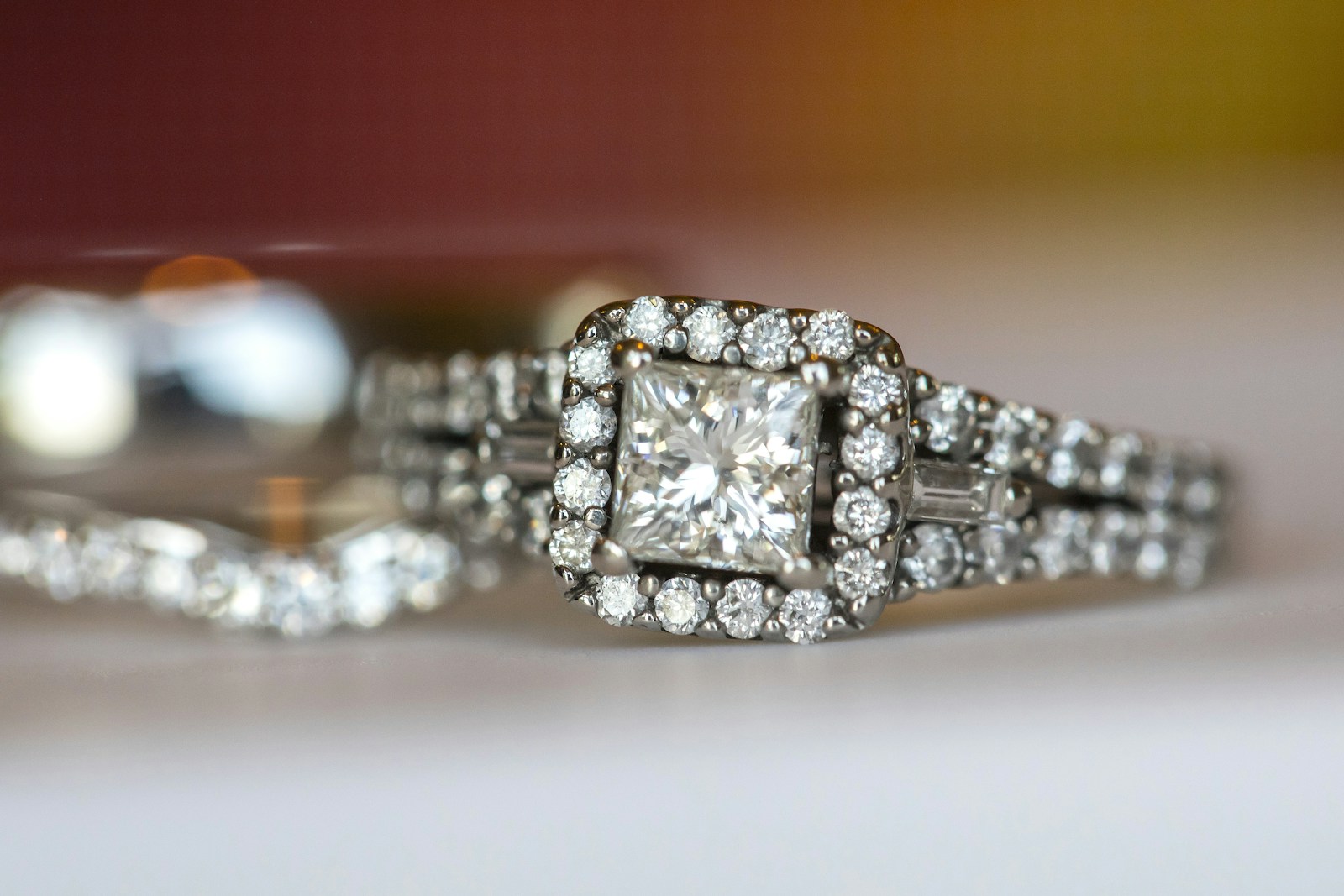
For an engagement ring worn every day, we lean 14K: it keeps prongs secure longer. If she loves the deep yellow of 18K, a good middle path is an 18K band with platinum or 14K white gold prongs holding the stone. Our engagement ring cost guide explains how metal choice moves the price.
What about white gold and rose gold?
The karat number works the same way. A 14K white gold ring is still 58.3% gold; only the alloy changes.
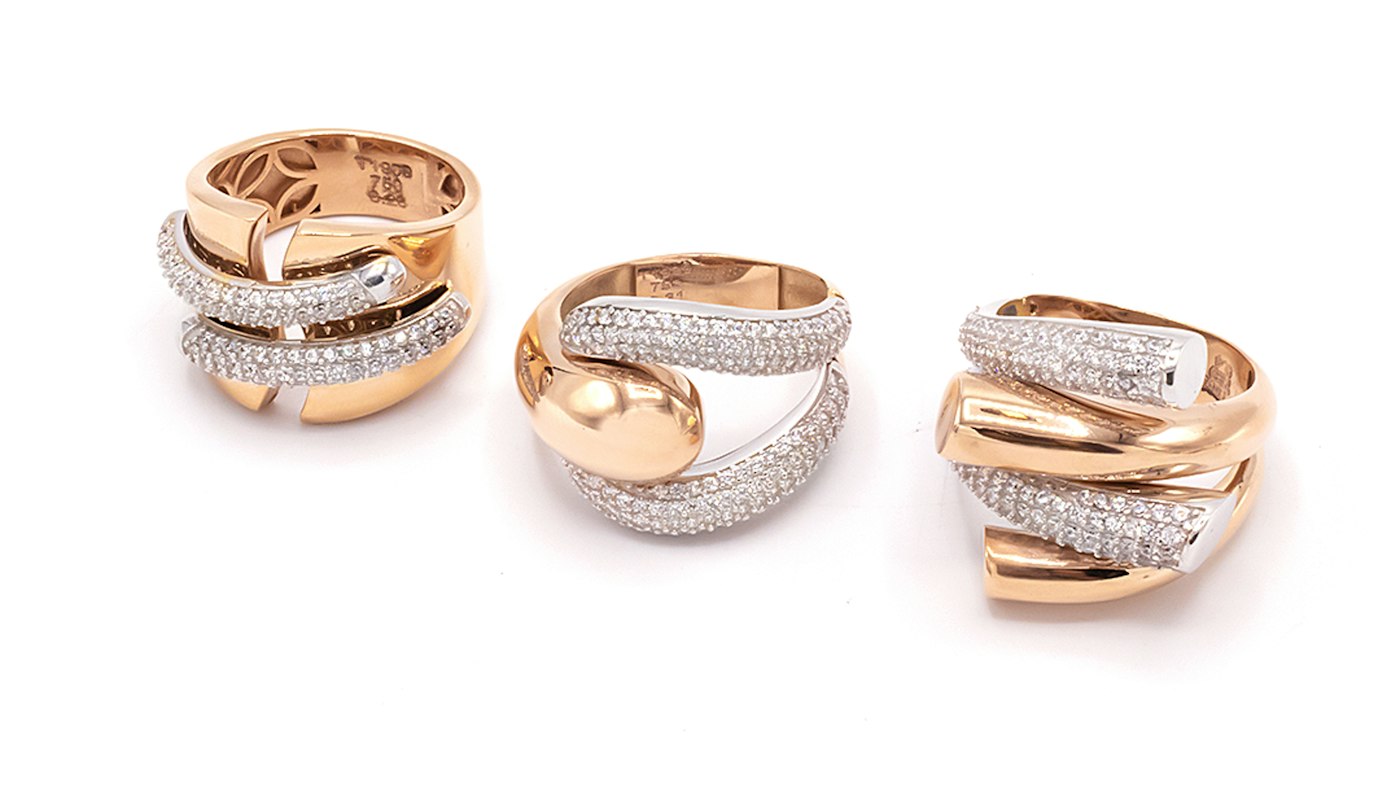
- White gold is alloyed with white metals and usually plated with rhodium to make it bright white. The plating wears off over time (often after one to two years of daily wear) and can be redone. In white gold, 14K is the popular choice because 18K white gold can look slightly warmer under the plating. Browse white gold jewelry.
- Rose gold gets its pink color from copper. A 10K rose gold looks pinker than an 18K, because there's more copper in it. Rose gold is very durable for the same reason. See rose gold jewelry.
- Platinum isn't gold at all. It's naturally white, heavier and very durable, and it doesn't need plating. It costs more. See platinum jewelry.
Which karat for which piece?
Is 10K gold real gold?
Yes. 10K is real, solid gold alloy, legally sold as gold in the US. It just contains less pure gold than 14K or 18K. It is not the same as gold-plated or gold-filled jewelry, where a thin layer of gold covers a different metal.
How Takshila handles metal choice
Most Takshila pieces can be made in 10K, 14K or 18K gold, in yellow, white or rose, and many in platinum or sterling silver. You choose the metal before the 3D design is finalized, and you see it in the CAD model before you approve. Every piece ships within 15 days of your design approval, with US shipping included, and includes one free resize within a year.
If you're unsure, tell us how the piece will be worn when you start a design in the Design Studio, and the designer will recommend a karat.
FAQ
Which is better, 10K, 14K or 18K gold?
14K is the best all-round choice for jewelry worn every day, because it balances color, strength and price. 18K is better for rich color and sensitive skin; 10K is better for budget and toughness.
Is 18K gold too soft for an engagement ring?
Not too soft, but it wears faster than 14K. If you choose 18K, ask for slightly thicker prongs or a platinum or 14K white gold head to hold the stone.
Does 14K gold tarnish?
Solid 14K gold doesn't rust or tarnish in normal wear. It can dull slightly over time and is restored with a gentle clean or polish.
What do 417, 585 and 750 mean on gold jewelry?
They're the European stamps for 10K (41.7% gold), 14K (58.3%) and 18K (75%) gold.
Can I shower with 14K gold jewelry?
Water won't harm solid 14K gold, but soap and lotions leave a film that dulls it, and white gold plating wears faster with exposure to chemicals. It's best to take rings off for swimming and cleaning.
Choose your gold: browse gold jewelry or design a piece in your chosen karat.