Quick answer: To design your own ring online, (1) describe the ring in plain words or upload a sketch, (2) let an AI design tool generate concepts, (3) refine the metal, stones, size and engraving, (4) check a 3D CAD model made by a designer, and (5) approve it so a jeweler can make it. AI images alone aren't buildable; the 3D model step is what turns an idea into a ring that fits and lasts.
You can find dozens of free "AI ring generators" now. Type a sentence, get a pretty picture. The trouble is that most of those pictures can't be made: stones float in mid-air, bands are thinner than a hair, prongs hold nothing. This guide shows the full path from idea to a real ring on your finger, and how to avoid the common traps.
Two kinds of "design your own ring" tools
If you want something nobody else has, the third route gives you the freedom of AI with someone making sure it actually works.
Step 1: Describe the ring you want
Start with words. You don't need design skills; you need specifics. A good description covers five things:
- Type: band, signet, cocktail ring, stacking ring, pinky ring, men's ring
- Shape and style: "wide, flat band", "vintage 1940s", "sculptural, organic", "minimal"
- Metal and color: 14K yellow gold, rose gold, platinum
- Stones (if any): "a small oval sapphire", "a row of tiny lab-grown diamonds", "no stones"
- The personal part: an engraving, a motif, a texture with meaning
Weak prompt: "a nice gold ring."
Strong prompt: "A 6 mm wide 14K yellow gold band with a hammered texture, one small flush-set oval sapphire, and our wedding date engraved inside."
Got a sketch on a napkin, a photo of your grandmother's ring, or a screenshot from Pinterest? Upload it. A picture plus one sentence about what to change is often the fastest start.
Step 2: Generate and compare concepts
In the Takshila Design Studio, the AI turns your description into 3D concepts. Generate several and compare them side by side. Look at three things:
- Proportions: does the top of the ring look balanced against the band?
- Profile: how high will it sit? Tall settings catch on sweaters and gloves.
- Wearability: will it work with what you already wear, like a watch or a wedding band?
Don't fall in love with the first image. Most people find their ring on the third or fourth round, usually by combining parts ("the band from option 2 with the stone setting from option 4").
Step 3: Refine the details
Now choose the details that change both the look and the price:
- Metal: 10K, 14K or 18K gold in yellow, white or rose, platinum 950 or sterling silver. Not sure? Read our 10K vs 14K vs 18K gold guide. For a daily-wear ring, 14K is our default.
- Stones: lab-grown diamonds, sapphires or other gemstones, in round, oval, pear, marquise, cushion or emerald cuts.
- Size: enter the ring size. Wide bands fit tighter, so for bands over about 6 mm, consider going up a quarter to a half size.
- Engraving and finish: polished, matte, brushed or hammered, plus any engraving inside or outside.
The price updates as you change things, so you can see what each choice costs.
Step 4: Check the 3D model with a designer
This is the step free AI tools skip, and it's the one that matters most.
A Takshila designer turns your chosen concept into a 3D CAD model within 2 business days. This is the technical drawing a jeweler builds from, with real measurements: band thickness, stone seat depth, prong size. Check it carefully:
- Is the band at least about 1.5 mm thick at the thinnest point? Thinner bands bend.
- Are the stones held securely, with prongs or a bezel you can see?
- Is the engraving the right size to read?
- Does it look right from the side, not just the top?
Ask for changes as many times as you need. Nothing is made until you approve, and you can cancel for a full refund at any time before approval.
Step 5: Approve, and it's made by hand
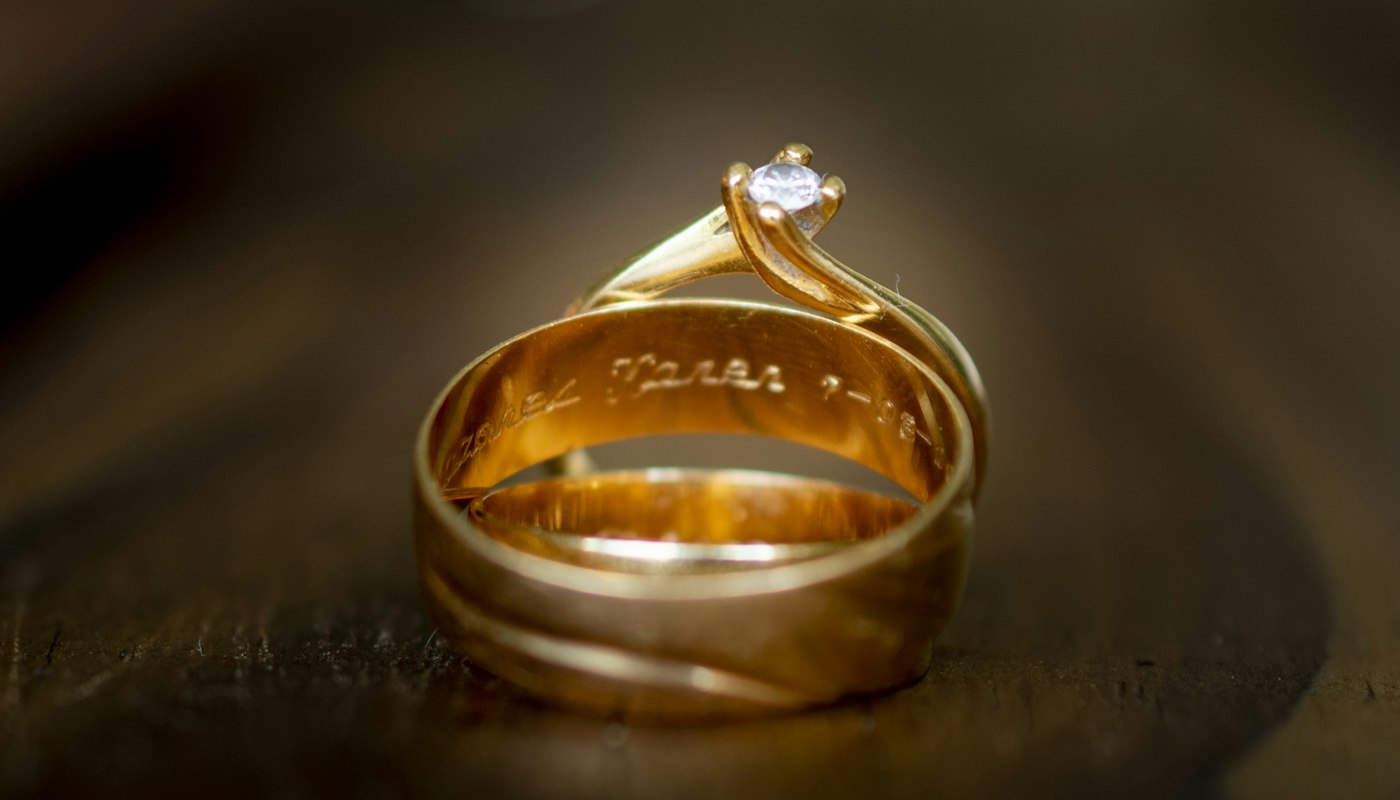
Once you approve the CAD model, a credited artisan makes your ring: the design is 3D-printed, cast in your chosen metal, set and hand-finished. You get time-stamped photos at the key stages, from stone selection to polishing. Your ring ships within 15 days of approval, with US shipping included, and comes with one free resize within a year of delivery.
6 mistakes to avoid when you design your own ring
- Designing only from the top view. Rings are seen from the side constantly. Check the profile.
- Ultra-thin bands. They look delicate in a render and bend in real life.
- Too many ideas in one ring. Pick one star feature: a stone, a texture or an engraving.
- Guessing the size. Measure the right finger, at the end of the day when fingers are largest.
- Tall settings for active hands. If you work with your hands, choose a bezel or flush setting.
- Skipping the 3D model. An AI image isn't a design until someone has checked it can be built.
Ideas for rings that aren't engagement rings
Plenty of people searching "design your own ring" aren't proposing. Some of the rings we see designed most often:
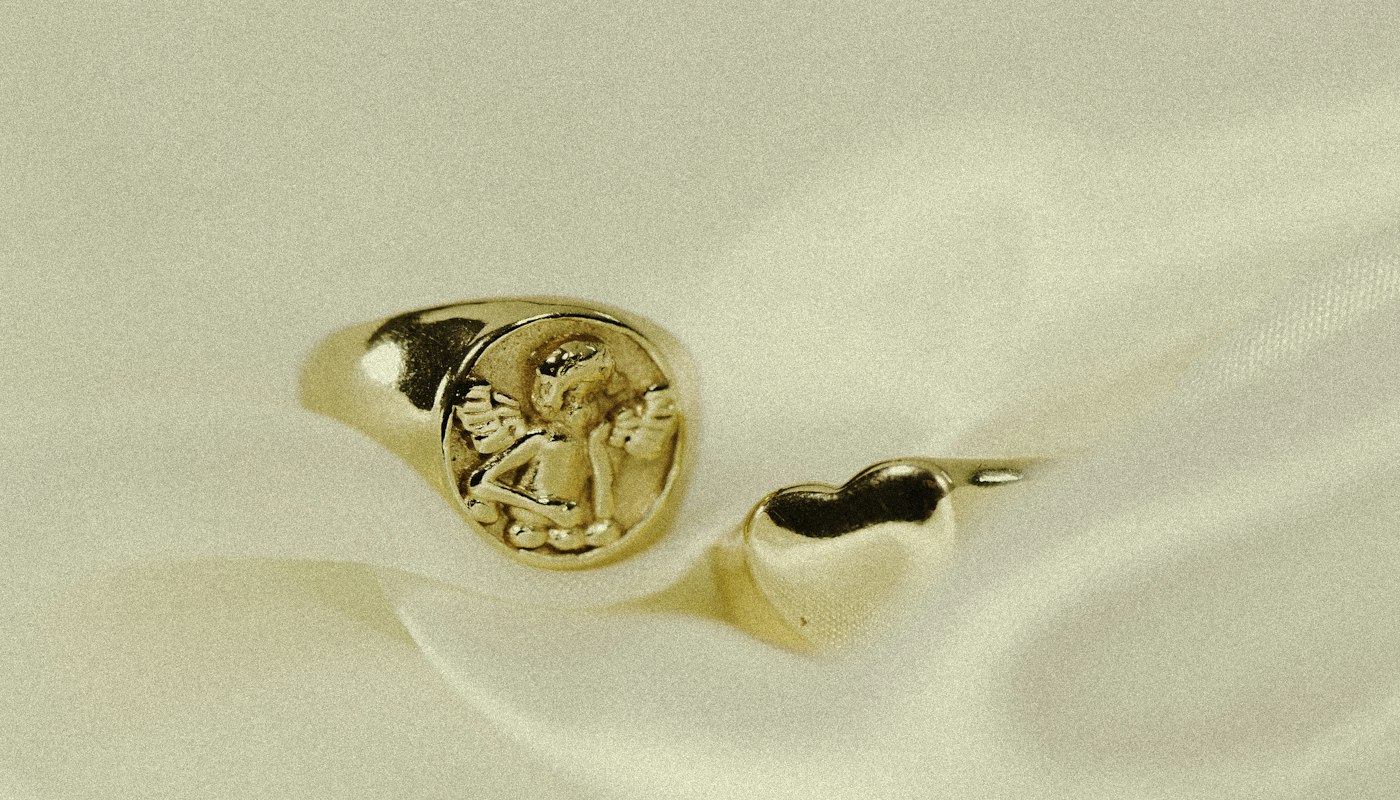
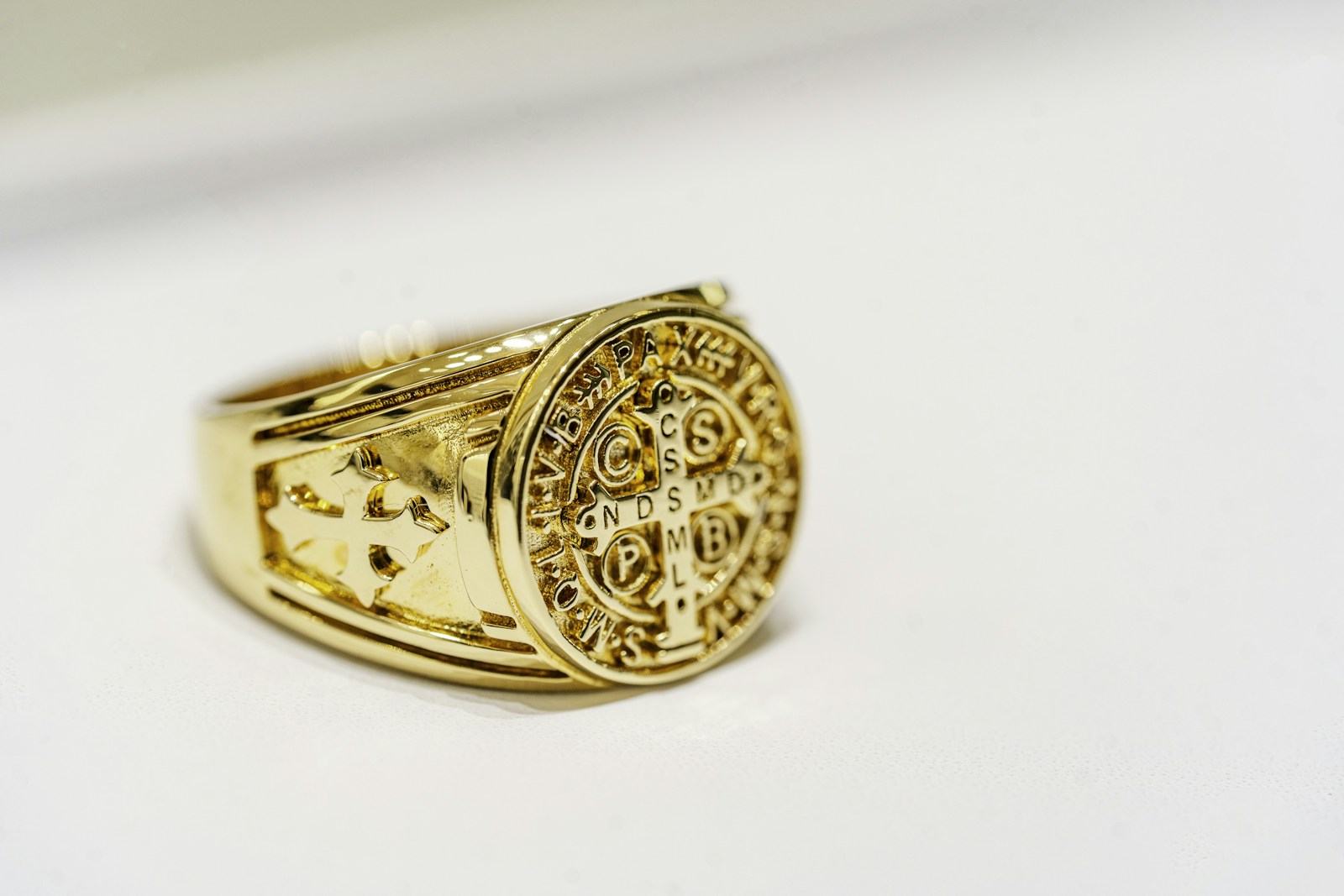
- Signet rings with initials or a family emblem. See our custom signet ring guide.
- Men's bands with textures, inlays or a hidden engraving.
- Family rings with a birthstone for each child.
- Right-hand or "self-purchase" rings to mark a milestone.
- Remakes of a lost or broken family ring from an old photo.
Designing an engagement ring instead? Our guide to designing a custom engagement ring online covers stone shapes, settings and budgets.
FAQ
Can I design my own ring online?
Yes. You describe the ring or upload a sketch, an AI tool generates concepts, you refine the metal, stones and size, and a designer turns it into a 3D model a jeweler can make. At Takshila the finished ring ships within 15 days of approving that model.
Can AI design a ring that can actually be made?
AI can generate the concept, but a designer should turn it into a 3D CAD model with real measurements before it's made. That step checks band thickness, stone settings and sizing.
Do I need design skills to design my own ring?
No. A clear description in plain words, or a sketch or photo, is enough. The designer handles the technical model.
How much does it cost to design your own ring?
It depends mainly on the metal, the weight and the stones. In the Takshila Design Studio the price updates as you choose each detail, so you know the cost before you approve.
How long does a custom-designed ring take?
At Takshila you get a 3D model within 2 business days, and the ring ships within 15 days of your approval. For Christmas 2026, approve your design by December 8 (Alaska and Hawaii: November 25).
Start designing: open the Design Studio and describe your ring in one sentence. Or browse rings for a starting point.