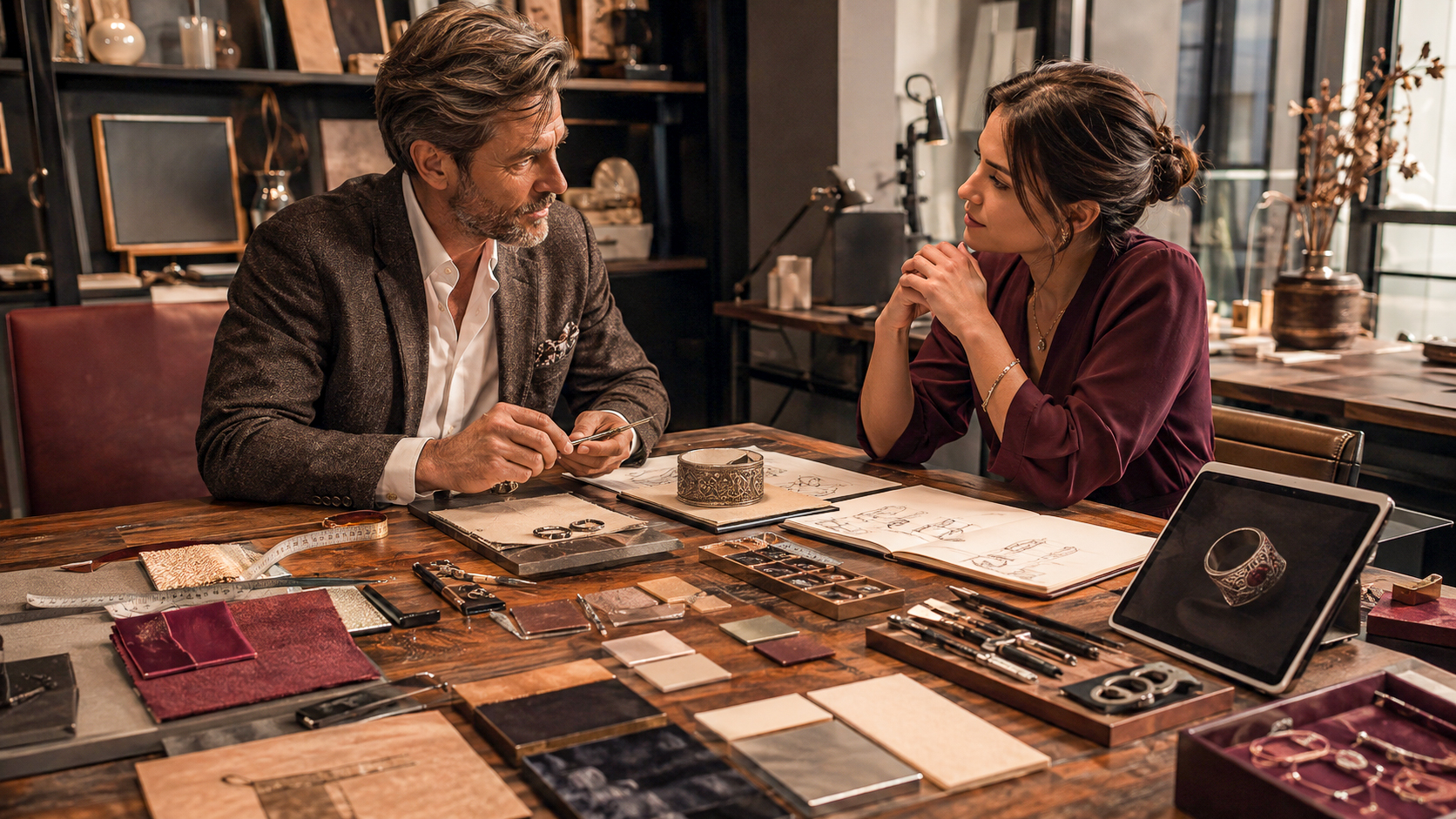
Imagine walking into a store and picking up a handicraft off a shelf. It looks nice, but you know nothing about who made it, what it's made of, or why it looks the way it does. It's just an object.
Now imagine the opposite scenario: you walk into a jewelry shop to buy a 14k gold necklace. The salesperson hands you a certificate, quotes a price, and that's it. You still don't know the artisan who shaped the metal, the design story behind it, or whether the "14k" claim even holds up.
Both experiences leave a gap. That gap is exactly why more people are now choosing to co-create instead of just buy. In fact, research shows that nearly 70% of consumers now prefer customized products to standard, mass-produced ones.
But before you order any custom product, there are a few questions you should always ask first.
This blog walks you through exactly what to check.
Key Takeaways
- Always ask about the materials, pricing, timeline, certifications, and the people making your custom product before placing an order.
- Choose a transparent custom process where you can review the design, understand the costs, and receive proof of authenticity and ownership.
- Co-creating with designers and artisans gives you a truly unique product with a personal story, verified craftsmanship, and lasting value.
Questions to Ask Before Ordering a Custom Product
Ordering custom products isn't like picking something off a shelf. You're putting trust in a process, not just a finished item.
Whether it's a ring, a home decor piece, or something entirely one-of-a-kind, asking the right questions upfront saves you money, time, and disappointment later.
Here are the 10 most important ones.
1. What Materials Will Be Used?
Before you say yes to any design, find out exactly what materials are used in it.
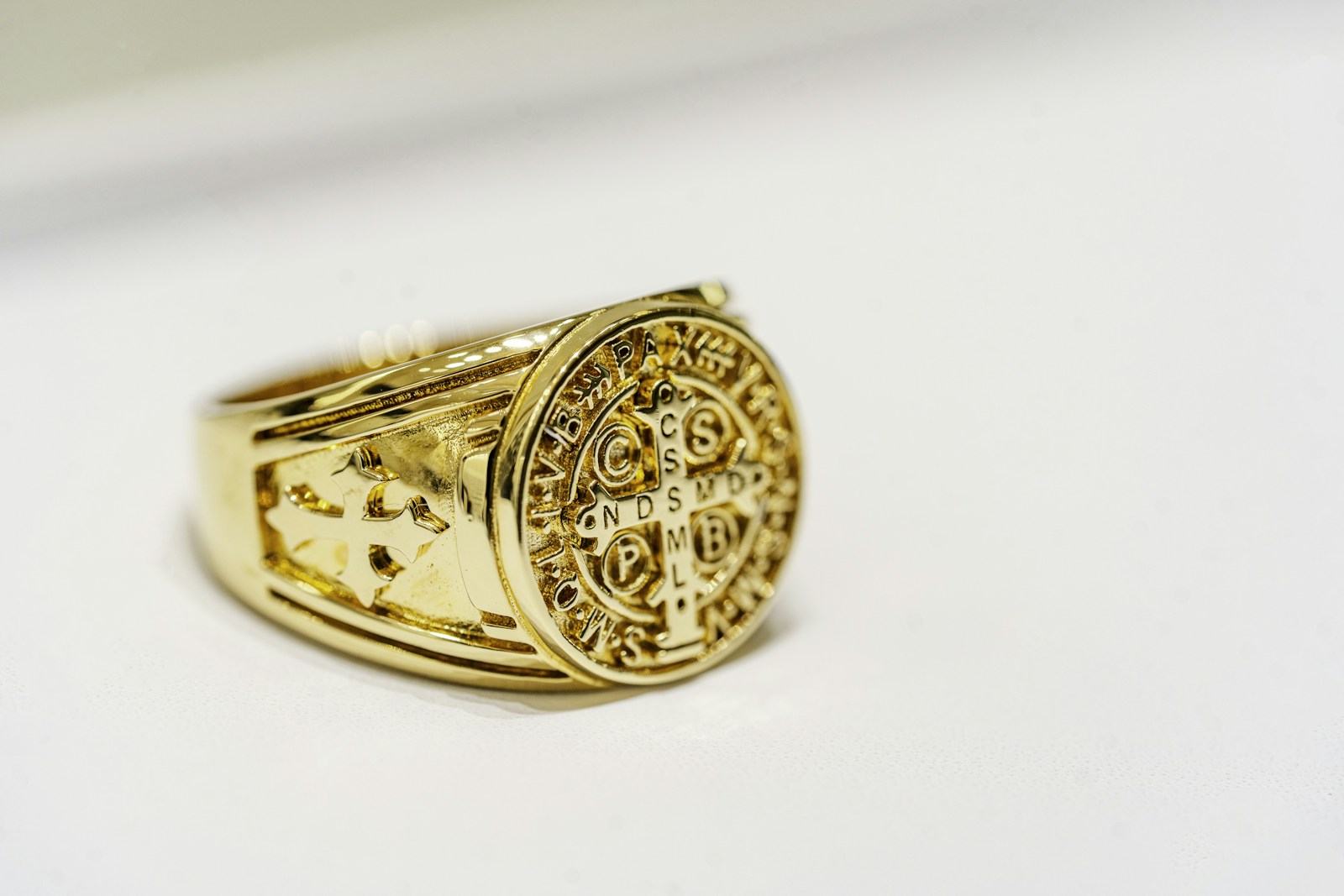
Like if you're planning to buy custom jewelry, ask for the metal purity, stone type, and sourcing details in writing. Vague answers like "premium quality" mean nothing without numbers or certificates behind them.
Reputable sellers should also be able to explain how they verify purity. If you're unsure about how to check hallmarking of gold jewelry, it helps you to verify BIS hallmarks and confirm gold authenticity before you buy.
2. Who Is Actually Making It?
One of the most important questions before buying jewellery or any custom piece is: who is the person behind it?
A named designer or artisan changes everything; it means there's someone accountable for the craft, not an anonymous factory line.
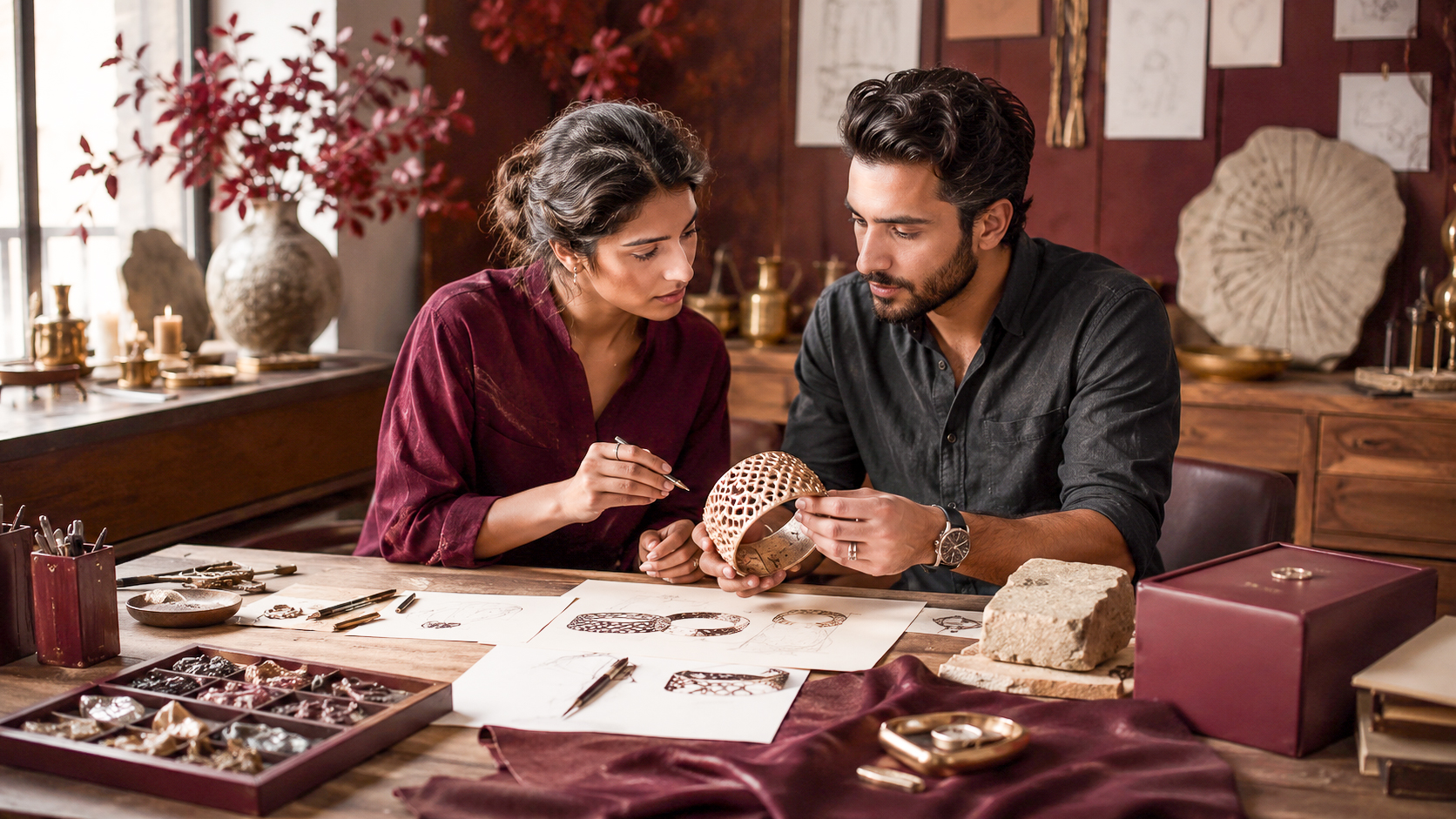
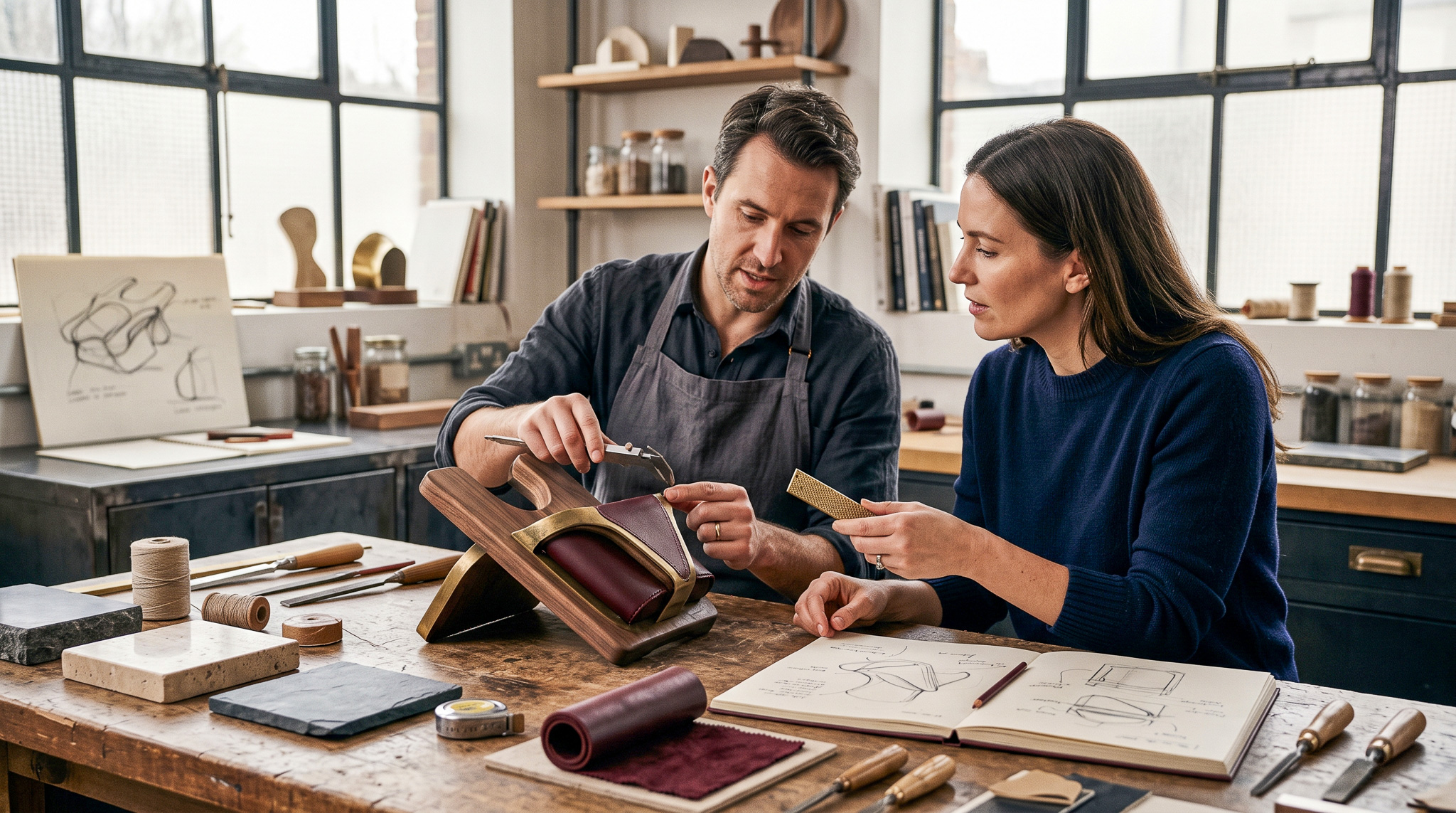
This is also where co-creation vs personalization matters. Personalization just tweaks an existing template; co-creation means a real person is designing and making something with you, from scratch.
3. What Is the Full Cost Breakdown?
Ask for a transparent cost breakdown, such as material cost, labor, design fee, and any platform charges.
This is especially important for custom jewelry design, where prices can swing wildly between sellers with no clear explanation. A transparent breakdown protects you from overpaying for vague "craftsmanship" charges.
4. How Long Will Production Take?
Custom work takes longer than ready-made purchases, and that's normal. But you should still get a clear timeline in writing, along with what happens if there are delays.
Rushed custom products are more likely to have quality issues, so be wary of anyone promising same-day turnaround on complex pieces.
5. Can I See the Design Before It's Finalized?
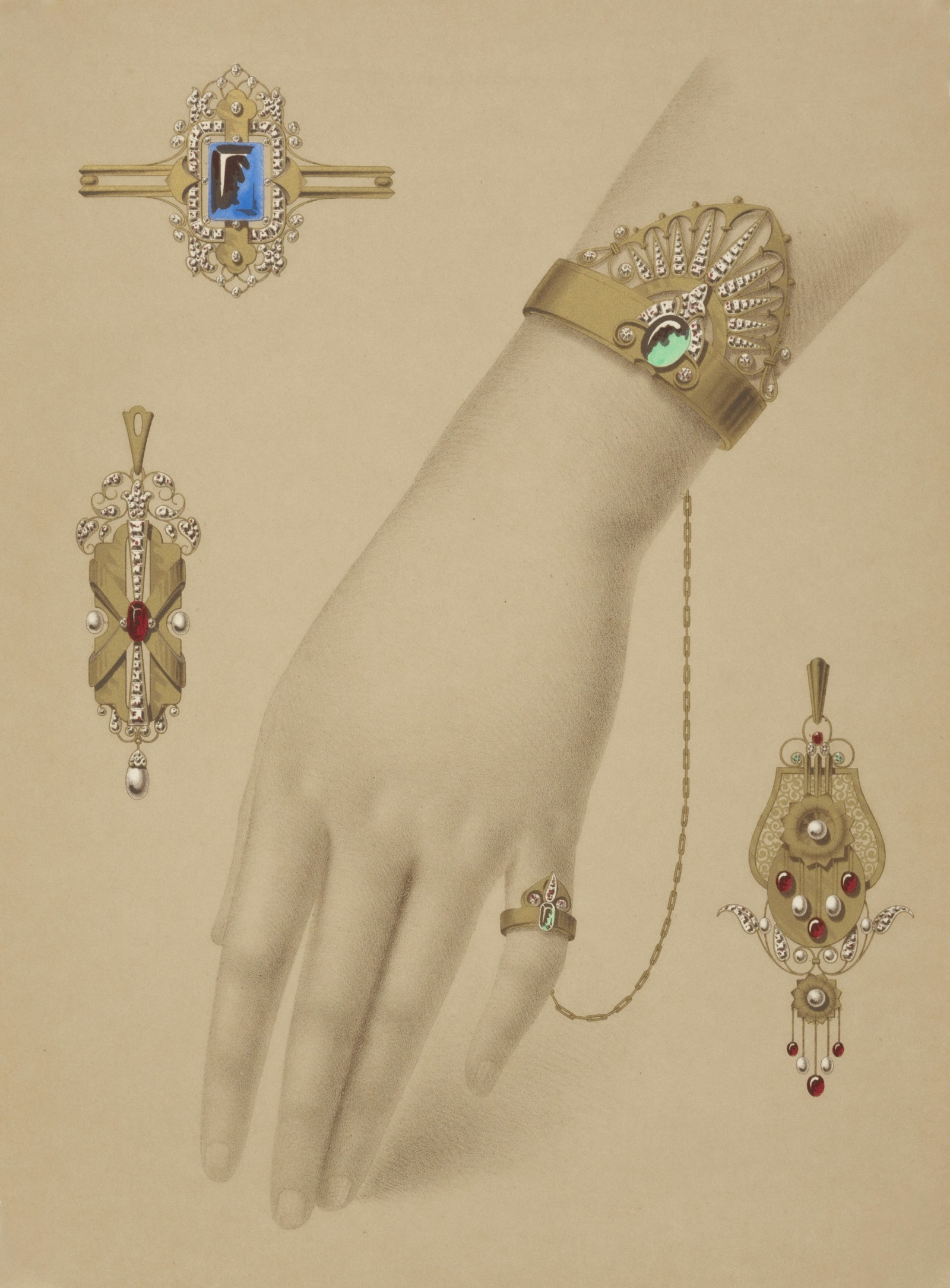
Always ask for a preview: a sketch, digital render, or prototype before production begins.
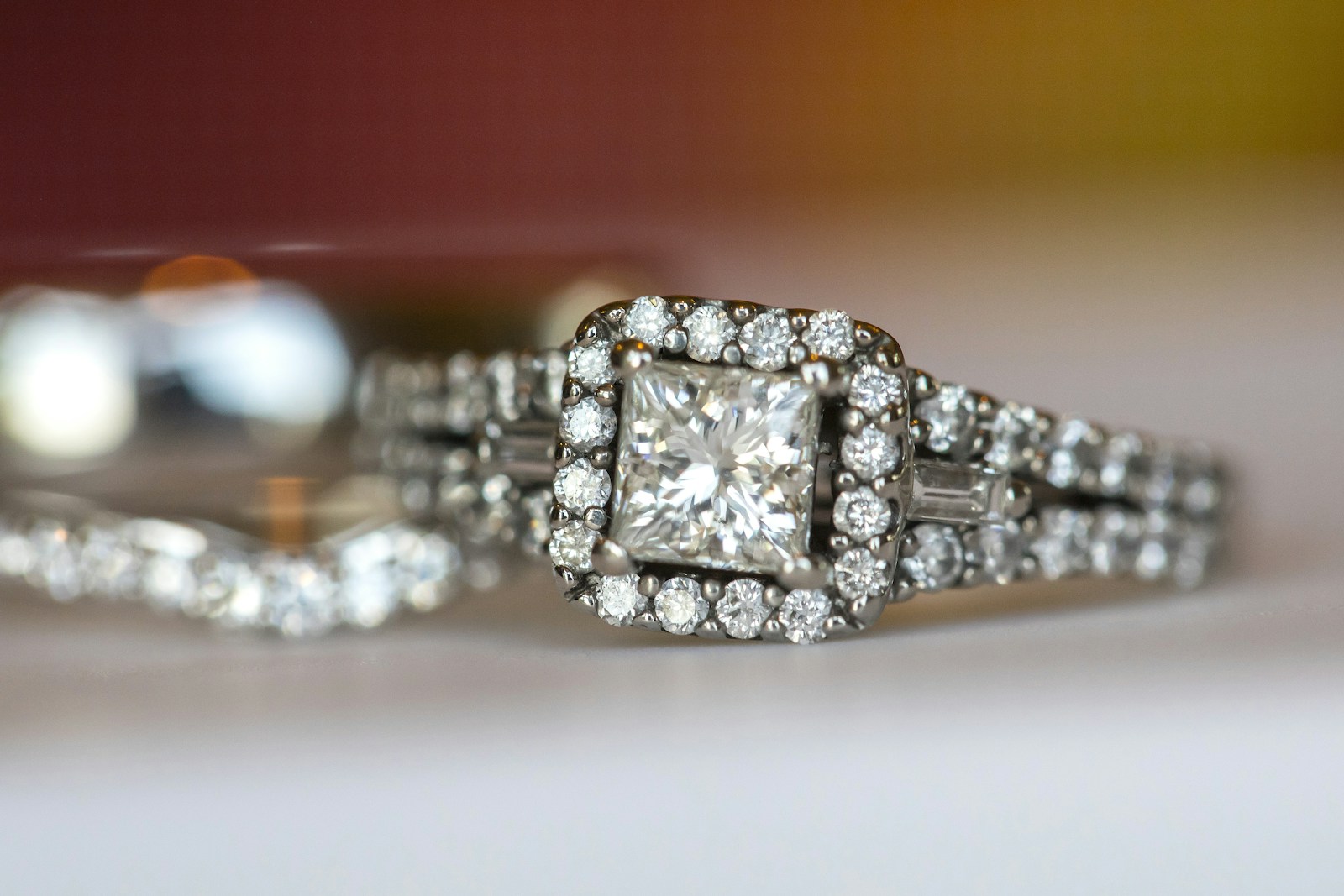
This is non-negotiable for anything like a custom engagement ring, where changes after fabrication are costly or impossible. A seller who resists showing you a preview is a red flag.
6. What Certification or Verification Comes With It?
For jewelry specifically, ask whether the piece comes with a purity certificate and documentation. Beyond gold, buyers should understand how gold is graded and marked.
Identifying gold hallmarks helps you understand what genuine markings actually look like, which is useful knowledge whether you're buying personalized jewelry or inheriting an old piece.
7. What Happens If I'm Not Satisfied?
Get clarity on revisions, returns, and refunds before you commit. Custom orders usually can't be resold easily, so understand exactly what recourse you have if the final piece doesn't match what was promised.
8. How Is Ownership or Authenticity Documented?
For higher-value items, ask whether you'll receive any digital or physical proof of ownership. This matters more than most buyers realize; a documented, traceable piece holds its value and story far better than one with no paper trail.
9. Is It Truly One-of-a-Kind?
Confirm whether your design will ever be reproduced or resold to someone else. If you're paying for made-to-order jewelry or any bespoke item, you deserve to know if your design stays exclusive to you or becomes a template for future orders.
10. What's the Story Behind the Process?
Finally, ask about the making process itself: where the raw material came from, how it was shaped, and why the design looks the way it does.
A good custom order isn't just about the object. It's about the story of how it came to exist, which is part of what makes it worth owning.
Custom Products vs Ready-Made Products: Which One Should You Choose?
This is exactly the debate around custom vs ready-made products. It isn't just aesthetics; it's ownership of the process.
Ready-made items are built for the average buyer, at scale, with zero say from you in the design. They're convenient and often cheaper, but they don’t carry any personal story.
On the other side, custom products, on the other hand, involve you at every stage, from the first sketch to the final material choice. This is why demand for personalization keeps climbing as trends driving consumer demand for personalized products continue to evolve, with buyers increasingly wanting to move away from cookie-cutter sameness.
If you're comparing custom jewelry online against a regular retail shelf, remember that ready-made jewelry can never fully capture individuality. Custom can — but only if the process behind it is transparent and traceable.
Why Asking These Questions Actually Matters
Skipping these questions is how buyers end up overpaying for handmade jewelry that isn't really handmade, or ordering a "custom" piece that turns out to be a slightly modified template.
Here's what asking the right questions protects you from:
- Paying inflated prices with no real cost transparency
- Getting a design copied and resold to other buyers
- Ending up with unverified or misrepresented materials
- Long, unclear timelines with no accountability
- Zero proof of who actually designed or made your piece
- No documentation to prove authenticity or ownership later
Every one of these risks disappears when you co-create a custom product at Takshila, where a designer and artisan behind your piece are named, verified, and part of the process from day one, not hidden behind a storefront.
Conclusion
Ordering custom products shouldn't feel like a guessing game. Every question above exists to protect your money, your time, and the meaning behind what you're bringing into your life.
The right process gives you transparency at every step, from materials to the person shaping them with their hands.
Takshila was built to give you the same. Instead of guessing who made your piece or what it's really worth, you get to co-create directly with a verified artisan, see the full story behind your product, and hold documented proof of your ownership.
You're also welcome to explore our community, where designs of our community members are listed. And if you're a person who holds knowledge, then it should be a great opportunity to apply as an artisan at Takshila and become part of the customer's story.
FAQs
1. What are good questions to ask about a product?
Ask about the materials, price breakdown, production time, certifications, return policy, and who is making the product. These questions help you make an informed decision.
2. How do I order customized products?
Start by sharing your idea or requirements with the seller. Review the design, confirm the materials and pricing, approve the final version, and then place your order.
3. Why choose made-to-order over pre-made?
Made-to-order products are created specifically for you, making them more personal and unique. They also give you more control over the design and materials.
4. How do I know if a custom product is truly unique?
Ask if the design will be made only for you or if it may be reused for other customers. A truly custom product should have clear exclusivity if that's what you're paying for.
5. Can I make changes before my custom product is finished?
Yes, many custom makers allow changes during the design stage. Always confirm the revision policy before production begins.