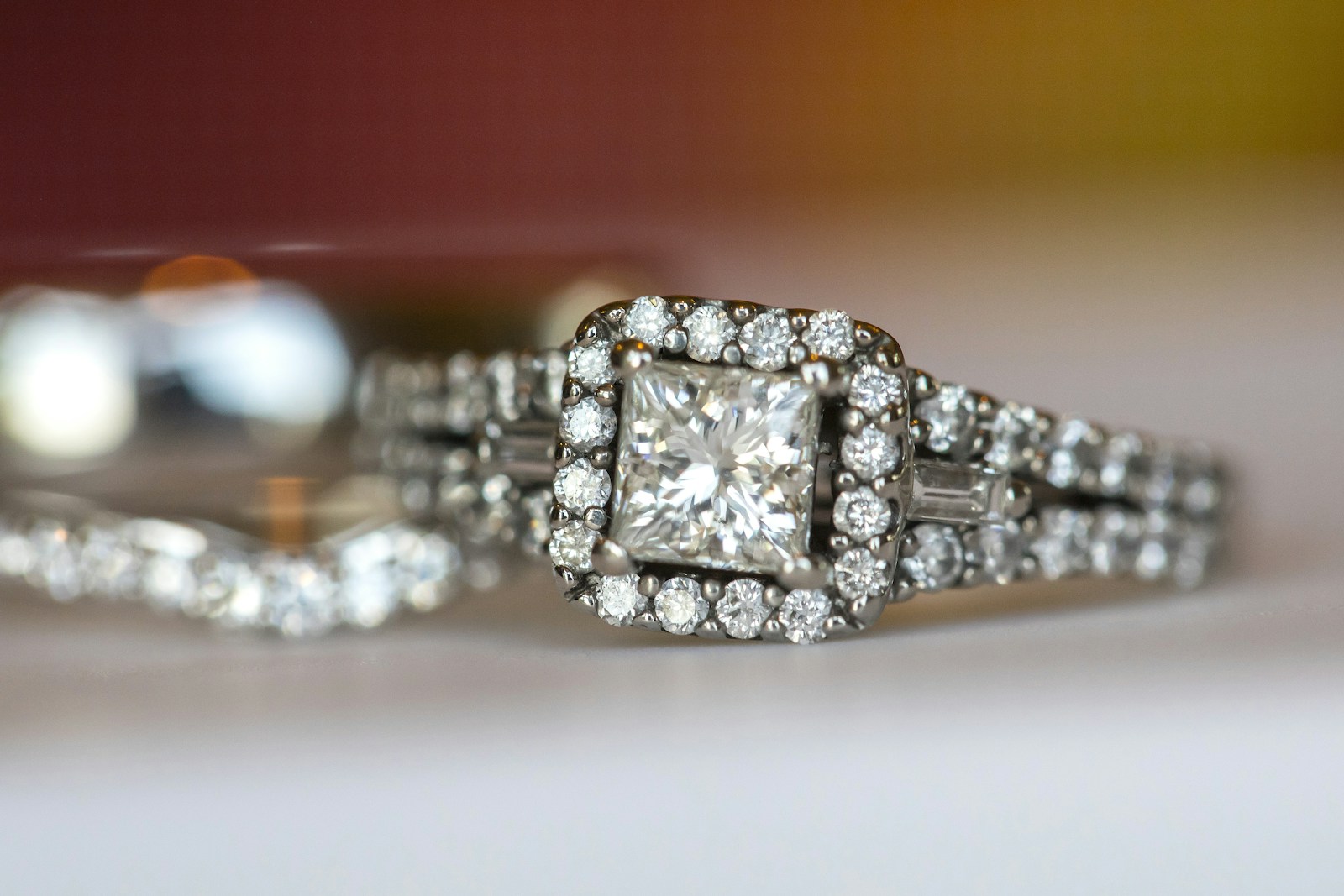
You are choosing a diamond that could stay with you for a lifetime, so it is worth understanding all your options before making a decision. Today, the choice between lab-grown and natural diamonds is one of the biggest topics in diamond buying, as more people seek the best balance of price, quality, and value.
The global lab-grown diamond market is expected to grow from around $33.5 billion in 2026 to nearly $92 billion by 2034, showing that more buyers are considering this modern alternative alongside natural diamonds.
In this guide, you'll learn how lab-grown diamonds and natural diamonds compare in price, quality, and long-term value, helping you choose the diamond that best fits your needs and budget.
Key Takeaways
- Lab-grown and natural diamonds are chemically identical, with the same hardness and sparkle. The only difference is how and where they're formed.
- Lab-grown diamonds cost 30–50% less per carat and quality level, making them ideal for buyers who want size and clarity on a budget.
- Natural diamonds still hold stronger long-term resale value due to an established market, though neither should be seen as a guaranteed investment.
- Pick lab-grown for value and ethics, or natural for tradition and heirloom appeal, both are equally real and beautiful.
What are Lab-Grown and Natural Diamonds?
Both stones are chemically identical, made of pure carbon, and have the same sparkle, hardness, and durability. The main difference is how they are formed.
What are Lab-Grown Diamonds?
Lab-grown diamonds are created in advanced laboratories using two proven methods:
- High Pressure High Temperature (HPHT)
- Chemical Vapour Deposition (CVD)
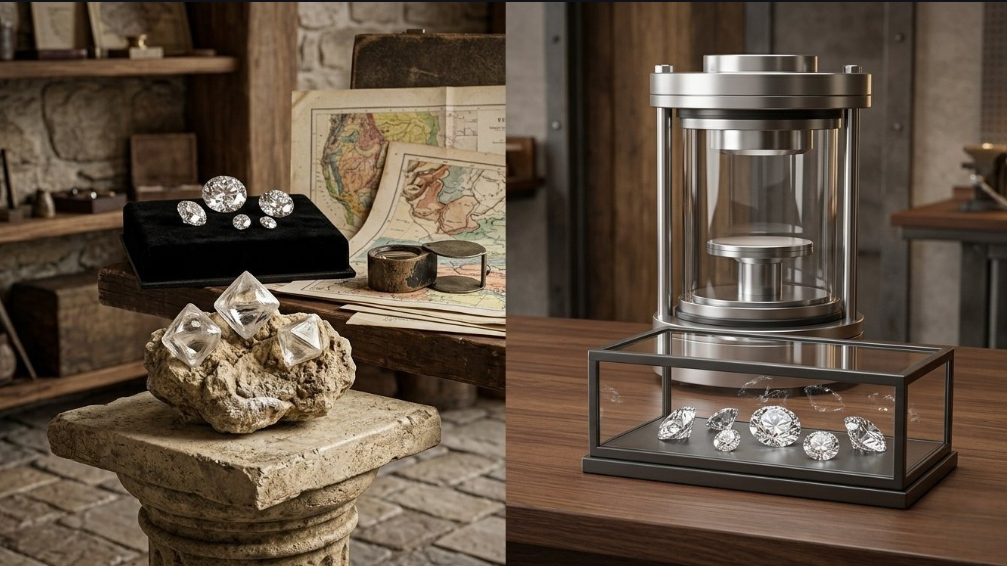
These methods recreate the conditions that form diamonds in nature, but the process takes only a few weeks instead of billions of years. The result is a real diamond with the same physical, chemical, and optical properties as a natural diamond.
What Are Natural Diamonds?
Natural diamonds are formed deep inside the Earth under extreme heat and pressure. This process takes one to three billion years. Over time, volcanic activity brings these diamonds closer to the Earth's surface, where they are mined, cut, polished, and turned into jewelry.
How Are They Different in Origin?
The biggest difference between lab-grown diamonds and natural diamonds is their origin.
Lab-grown diamonds are made in a controlled laboratory within weeks, while natural diamonds are created by nature over billions of years beneath the Earth.
Although their origin is different, both are real diamonds with the same beauty and performance.
What Shapes the Price of a Diamond?
The diamond price depends on the 4Cs—carat, cut, clarity, and colour, which determine its overall quality and appearance. Other factors, such as rarity, production or mining costs, brand value, and market demand, also affect the final price.
Natural diamonds are usually more expensive because they are rare and require mining, sorting, cutting, and a long supply chain before reaching the buyer. In contrast, lab-grown diamonds are produced in controlled laboratories using advanced technology, making the process faster and more scalable. As a result, lab-grown diamond prices are generally lower while still offering the same beauty, durability, and sparkle.
Comparison Between Lab-Grown and Natural Diamonds
Here is a direct, side-by-side look at how the two stack up on the factors buyers care about most:
Both lab-grown and natural diamonds are real, with the same hardness and durability, so you don't have to worry about strength. No matter which option you choose, always look for a diamond certification from a trusted grading laboratory to confirm its quality and authenticity.
While natural diamonds usually have a stronger resale market today, many buyers now prefer lab-grown diamonds because they offer excellent quality and a better price.
Which Diamond Gives Better Value?
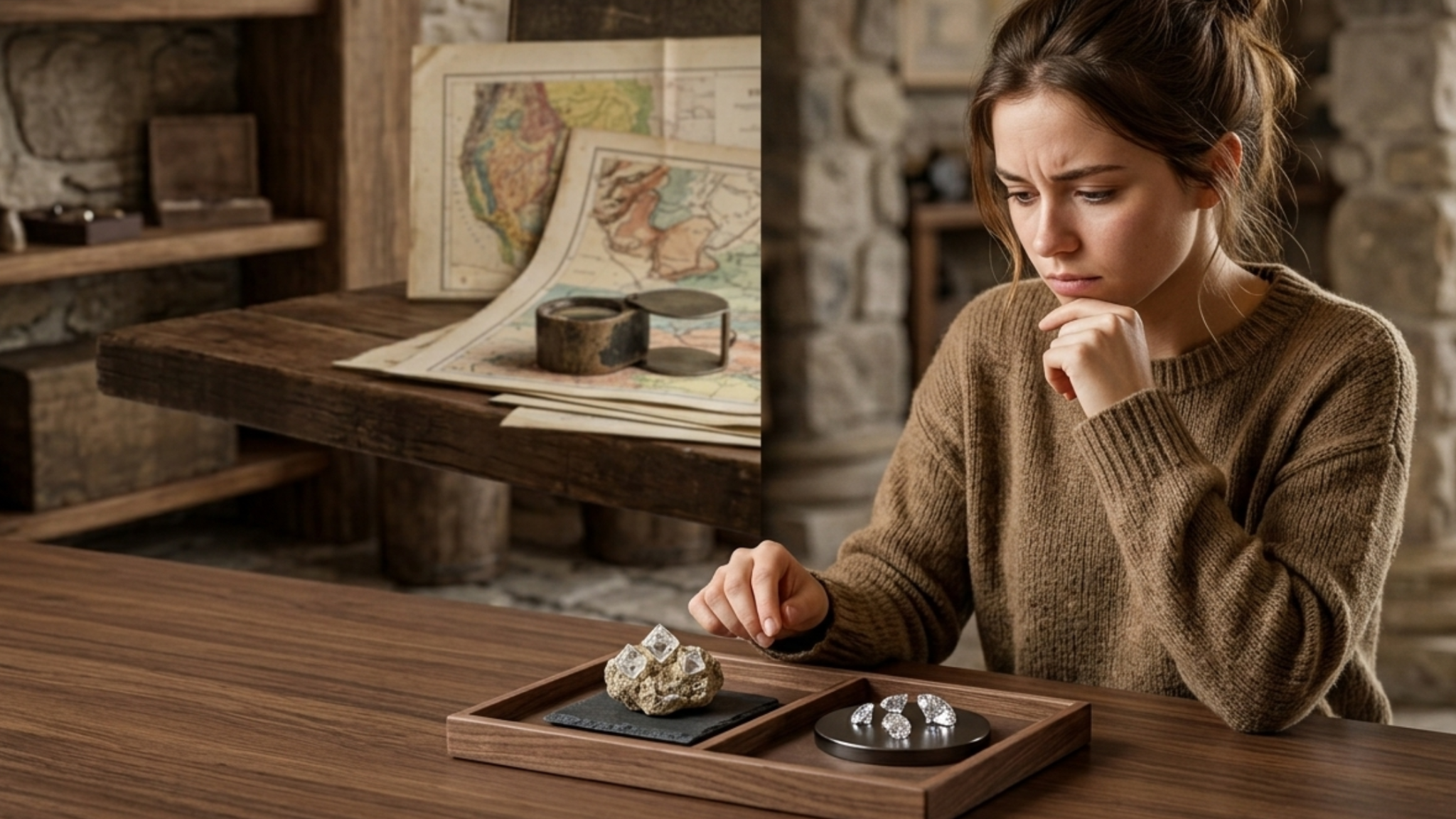
"Value" depends on what you're optimising for, upfront savings or long-term appreciation, and the honest answer is that the two diamond types serve different priorities.
Best Value for Everyday Buyers
If you want a larger, high-clarity stone without stretching your budget, lab-grown diamonds are a great option for less money. For engagement rings, fashion jewellery, or anyone prioritising size and diamond quality over resale potential, this is usually the stronger choice.
Best Value for Long-Term Investment
If resale and heirloom value matter more than upfront cost, natural diamonds still hold a historical edge in the secondary market. Their scarcity and established trading networks mean they are more likely to retain value decades from now, though no diamond should be treated as a guaranteed financial investment.
Are Lab-Grown and Natural Diamonds Really Different?
Chemically and visually, no.
A jeweller cannot tell them apart with the naked eye, and even trained gemologists need specialised equipment to distinguish them. Both score identically on hardness, brilliance, and fire.
The real differences lie beyond the stone itself:
- Origin: Lab-grown diamonds are created in controlled laboratories, while natural diamonds form deep within the Earth over billions of years.
- Production Timeline: Lab-grown take only a few weeks to produce, whereas natural diamonds require billions of years to form.
- Environmental Impact: Lab-grown diamonds avoid mining, while the environmental impact of natural diamonds depends on mining practices and sourcing.
- Market Perception: Natural diamonds are often valued for their rarity and tradition, while lab-grown are recognised for their affordability and modern appeal.
- Personal Meaning: Regardless of origin, most buyers are not simply purchasing a diamond; they are celebrating a milestone, a relationship, or a personal story.
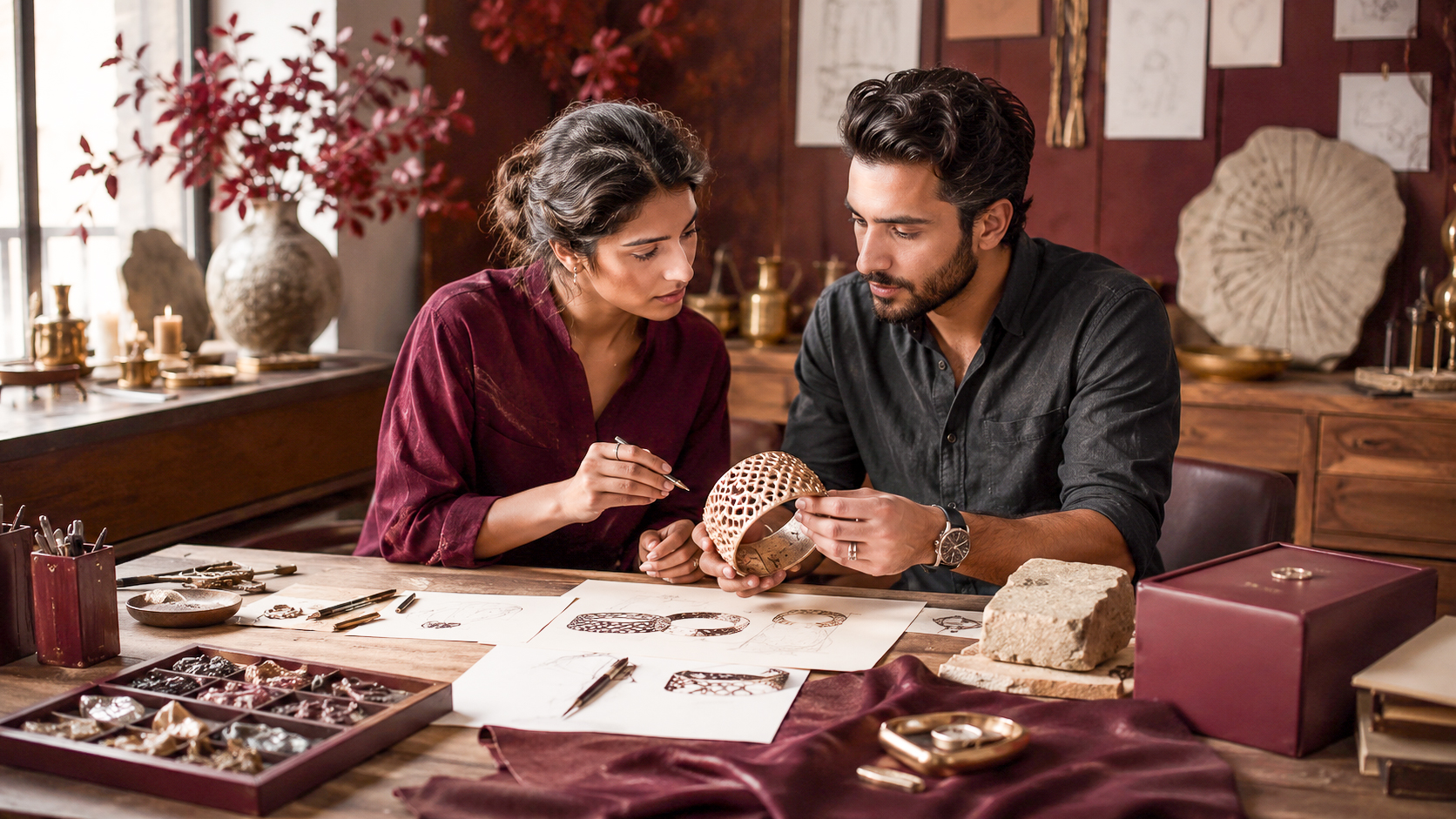
This is where Takshila's co-fabrication model takes a different approach. It connects customers with designers and artisans so every piece is co-created rather than simply chosen from a display. The diamond origin matters, but so does the craftsmanship and story behind the final piece.
Which Diamond Should You Choose?
There's no universally correct answer, only the one that fits your priorities.
Choose a Lab-Grown Diamond If...
- You want maximum carat weight and clarity within a fixed budget
- Environmental impact and ethical diamond sourcing are priorities
- You're buying for personal style rather than investment purposes
Choose a Natural Diamond If...
- Long-term diamond resale value and market tradition matter to you
- You value the rarity narrative of a billion-year formation process
- You're purchasing a piece intended to be passed down as an heirloom
Before you decide on the diamond itself, it's equally important to understand the questions you should ask before investing in any custom-made piece. Asking the right questions can help you make a more confident decision.
Conclusion
So, are lab-grown diamonds worth buying? For most buyers looking for exceptional quality, larger diamonds, and better affordability, the answer is yes. They offer the same brilliance, durability, and beauty as natural diamonds while making it easier to stay within your budget.
But should you choose a lab-grown or natural diamond? The choice depends on what matters most to you. If you prioritise value, size, and modern buying preferences, lab-grown diamonds are an excellent option. If rarity, tradition, and potential long-term resale value are more important, a natural diamond may be the better fit.
Ultimately, lab-grown and natural diamonds are both real. The difference lies in their origin, price, and the story behind them. At Takshila, that story becomes even more personal. Instead of choosing a ready-made piece, your jewellery is co-designed by a skilled artisan and crafted as a one-of-one creation.
Every piece is also backed by a digital ownership record, giving you complete transparency and a lasting connection to what you helped create.
- - - - - - - -
FAQs
1. Are lab diamonds more valuable than natural diamonds?
Not really — they're cheaper upfront but hold less resale value. Natural diamonds keep an edge in the long-term market due to their established history and rarity.
2. Why do jewelers not like lab diamonds?
It's mostly about business, not quality — natural diamonds bring higher margins and fit into older, well-established supply chains. Lab-grown diamonds are newer and still building that same market trust.
3. Is a lab-grown diamond a real diamond?
Yes, completely. It has the same chemical makeup, hardness, and brilliance as a natural diamond, just grown in a lab within weeks instead of forming underground over billions of years.
4. Which is better, lab-grown or natural diamond?
It depends on what you value most. Lab-grown wins on price and size, while natural wins on tradition and resale value — both are equally durable and genuine.
5. Does Takshila use lab-grown or natural diamonds?
Takshila doesn't lock you into one type; its co-fabrication model lets you and your artisan choose together. Every piece is backed by transparency and a digital ownership record, no matter which diamond you choose.