What if the product you bought carried your fingerprint? Not a monogram. Not a colour choice from a dropdown menu. But a genuine decision you made, alongside the person who built it with their hands.
We live in an era that has made personalization a selling point for nearly everything from Netflix queues to sneakers. Algorithms learn your preferences. Brands offer made-to-order options. Filters get smarter. But something still feels hollow. You're still choosing from what someone else made.
Co-creation changes that entirely. It's not about choosing; it's about being part of the product creation process. That shift, from consumer to collaborator, is one of the most modern ideas happening in the e-commerce industry. And it's one that Takshila was built to lead.
Key Takeaways
- Personalization lets you choose from pre-made options, while co-creation allows you to shape the product from the start.
- Co-creation brings together buyers, designers, and artisans to create products that are more meaningful, transparent, and unique.
- Takshila transforms customers from passive buyers into co-creators, giving every product a story, a purpose, and real ownership.
What Is Co-Creation?
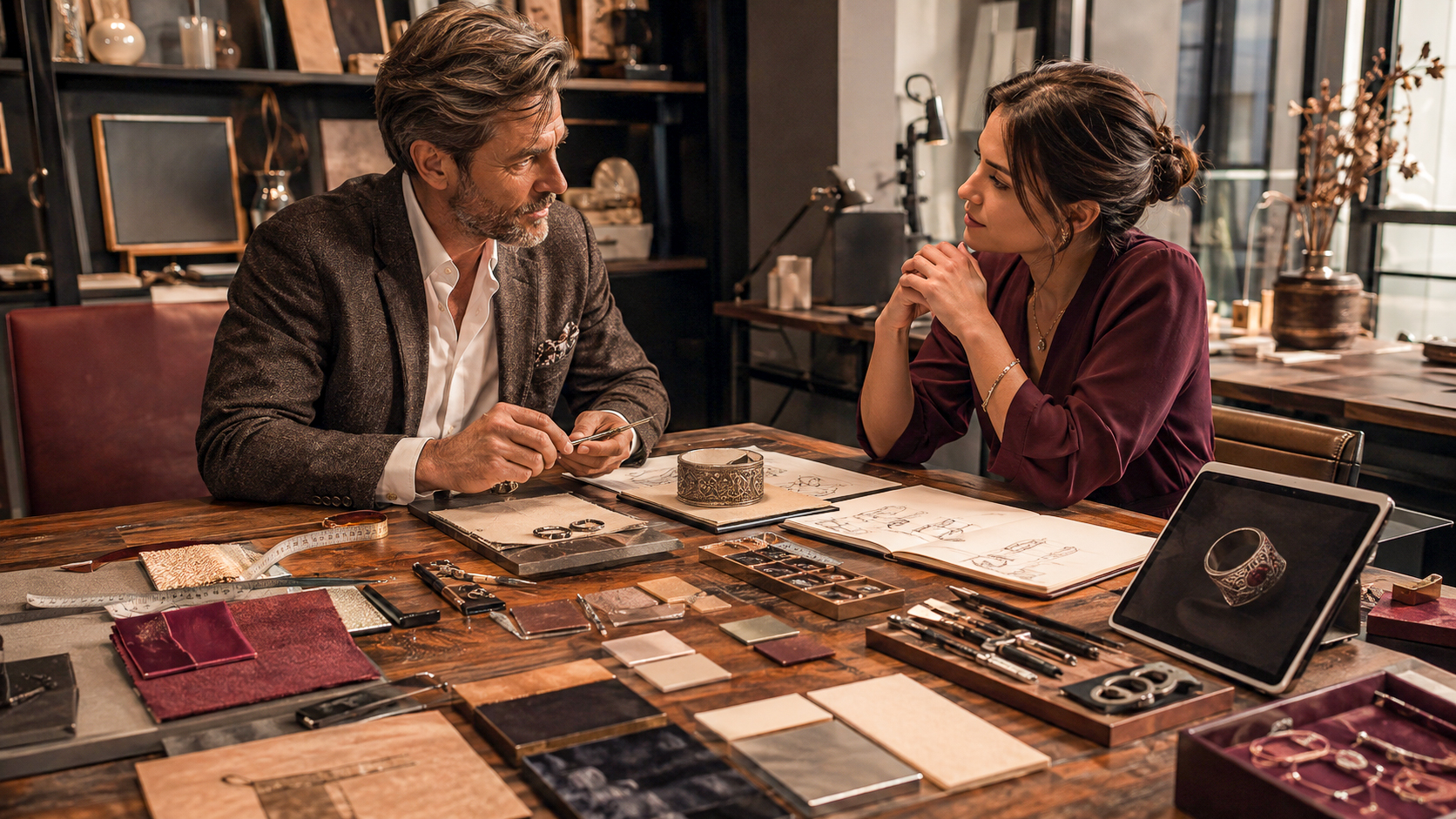
Co-creation is the process of building something together, in which a buyer, a designer, and an artisan collaborate directly to bring a product to life. It's not a new concept; it's actually the oldest form of commerce. Before mass manufacturing existed, every object was made to order for the person who needed it.
But modern supply chains buried that relationship under layers of middlemen, brand markups, and standardised catalogues. Co-creation is the process of recovering and rebuilding it on a tech platform called Takshila.
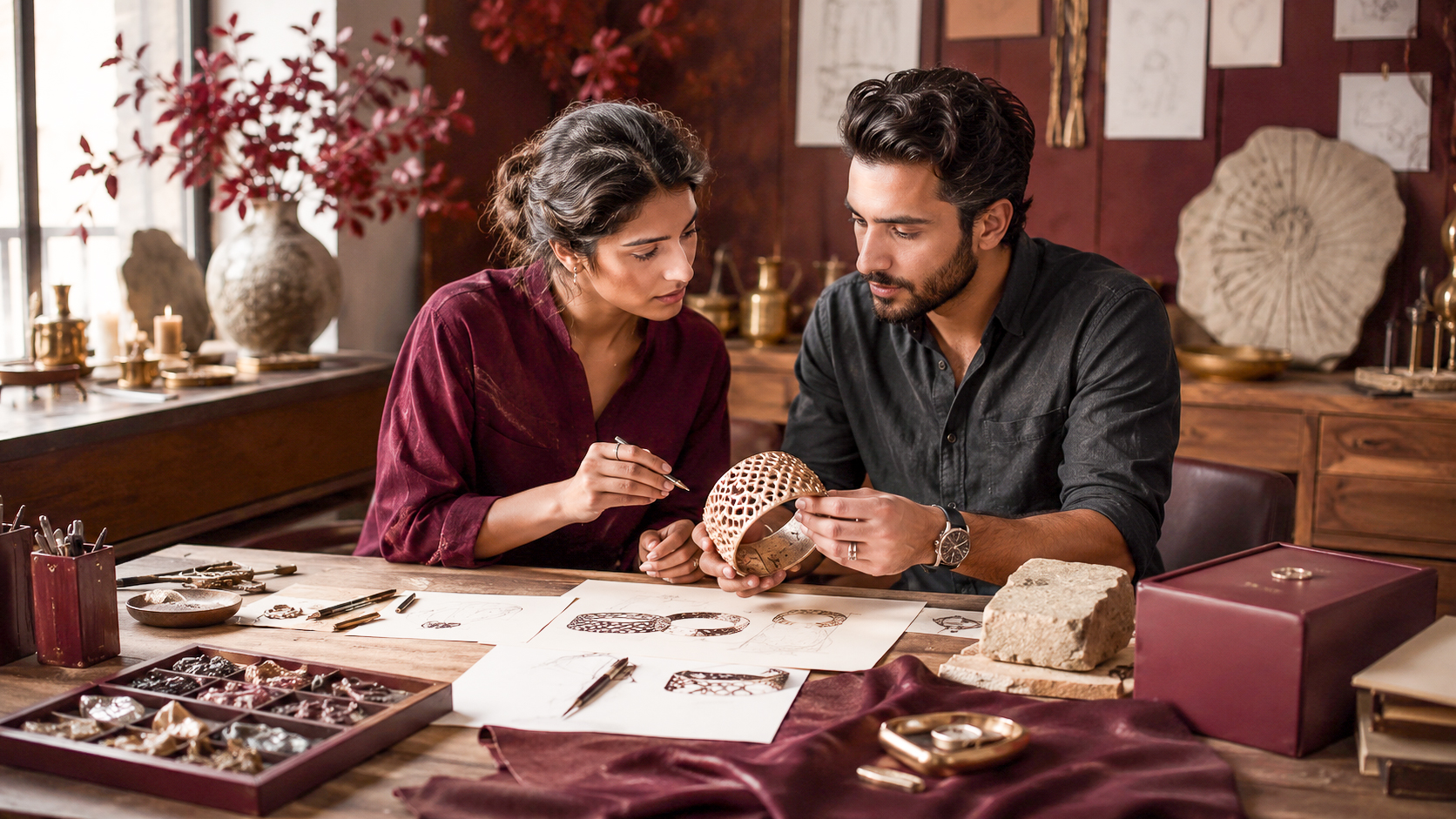
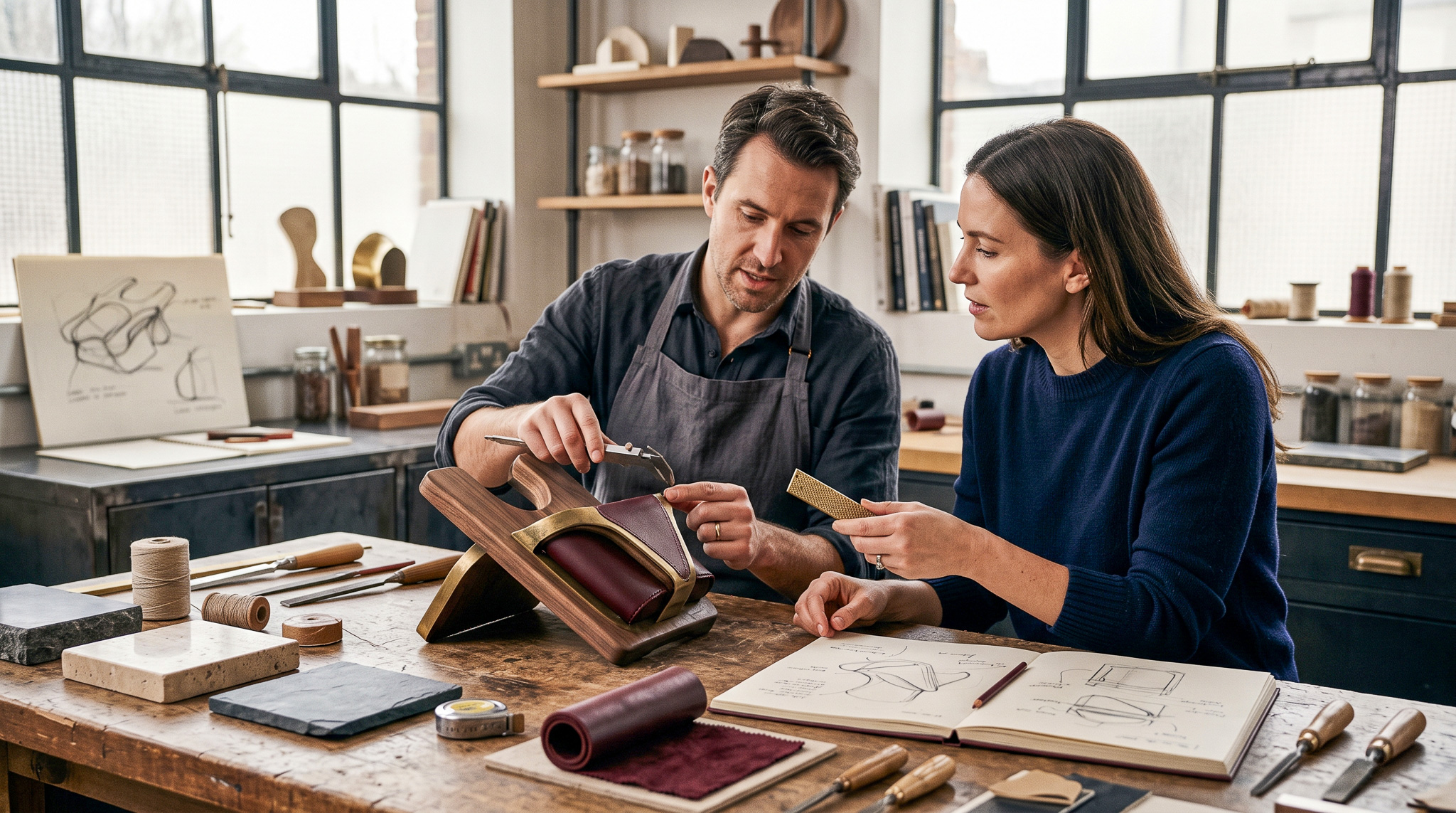
The co-creation process typically involves the buyer sharing their vision, a designer translating that into a workable concept, and an artisan executing it with craft and care. The result of a collaborative product that no catalogue could ever offer because it didn't exist before.
Understanding Co-Creation vs Personalization
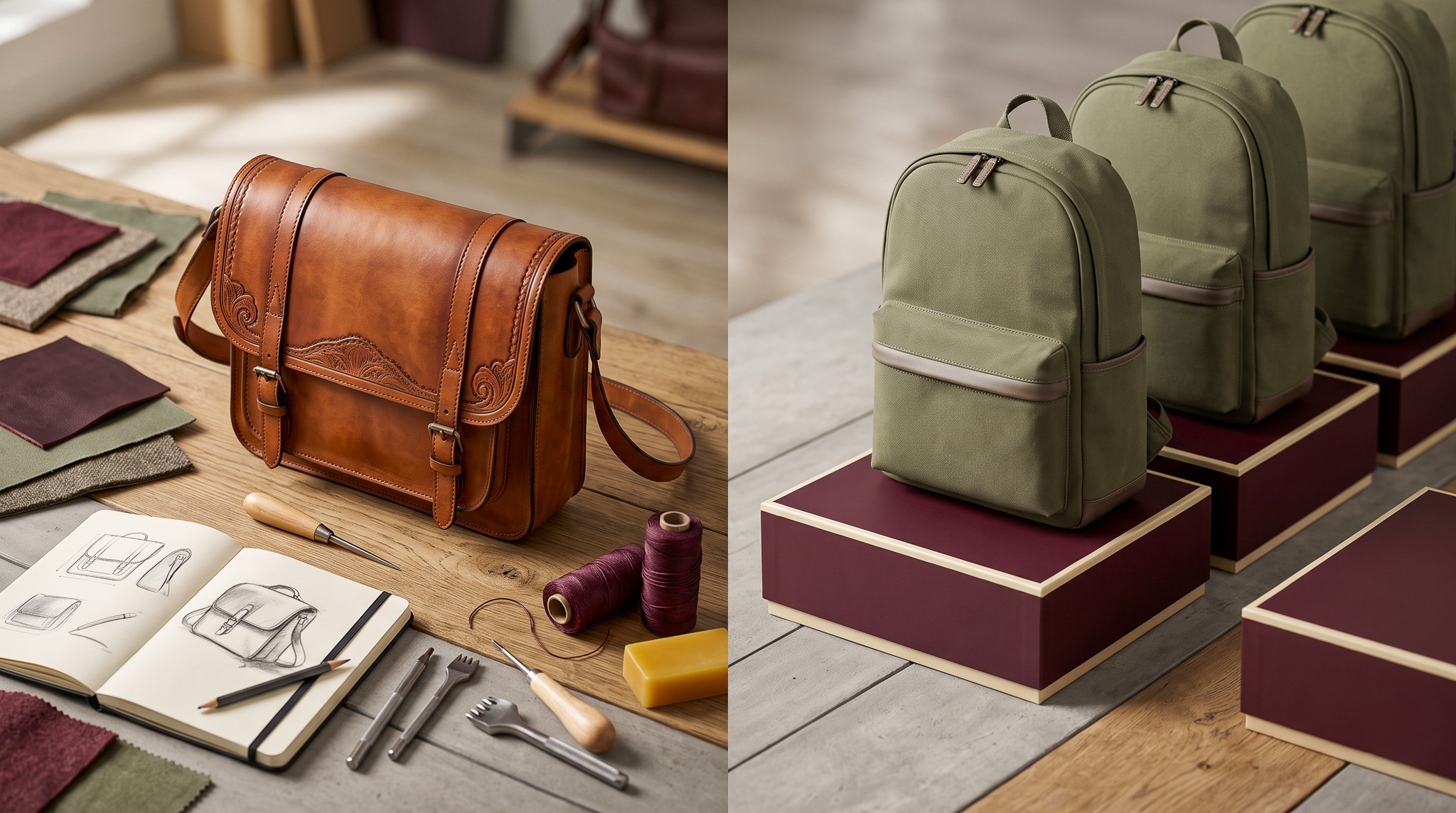
Think about the last time you customised something online. You probably selected a size, colour, and added a name. You felt like you were participating. But did you? The product was already designed. The materials were already decided. The price was set. You just picked from a menu.
Personalization is when a brand uses your preferences to suggest products you might like. It makes shopping easier, but the brand still makes all the decisions.
Co-creation allows you to be involved before the product is made. They can help choose materials, design details, and other important decisions. According to an MDPI article, customers who actively participate in Co-Creation develop a stronger sense of psychological ownership of the final product. When people contribute ideas and decisions during the creation process, they feel more connected to their products.
Co-Creation vs Personalization: At a Glance
Here's a simple comparison to understand why co-creation goes beyond traditional personalization.
Why Modern Consumers Want More Than Personalization
Consumer behaviour has fundamentally shifted. People aren't just buying products anymore; they're buying stories, values, and identity. A 2023 Deloitte study found that 36% of consumers express interest in purchasing personalised products, but the deeper desire is for something more meaningful: a product that reflects not just their preference, but participation.
The rise of social media has made consumers acutely aware of how manufactured their choices actually are. Algorithms, trend cycles, and influencer-led "discovery" have made personalisation feel curated, not genuine. Younger buyers in particular are pushing back. They don't want to be marketed to — they want to matter to the process.
This is the importance of co-creation in modern commerce. When you participate in making a product, and your input shapes the outcome, you don't just buy it. You co-create your story and own something that goes far beyond a transaction.
Benefits of Co-Creation
The benefits of co-creation in product design go beyond the buyer. It creates value for everyone, including customers, designers, artisans, and brands.
1. Deeper ownership for buyers
When you contribute to a product's creation, you develop a stronger emotional connection to it. It's not something you found; it's something you made real.
2. Better outcomes in product design
When customers help create a product, the final design is more likely to match their needs and expectations. This leads to better satisfaction and products that feel more useful and meaningful to the people who use them.
3. Fair Opportunities for Artisans
Co-creation allows artisans to work directly with customers. This helps ensure their skills, time, and contribution are properly recognized and valued.
4. Transparent supply chain
The buyer knows who made their product, what materials were used, and what each step of the co-creation process involved, something that mass production can never offer.
5. One-of-one products
A collaborative product is different because it is shaped by the customer's own ideas and choices. The result is something personal and difficult to replicate.
6. Infinite Customization
Co-creation gives customers endless possibilities to personalize a product. From materials and colors to design details and finishing touches, every choice helps create something that reflects their unique style, preferences, and story.
7. Verify Materials and Process
With the right technology, the co-creation process becomes fully transparent and verifiable. Customers can see the materials used, follow each stage of production, and know exactly who crafted their product, building greater trust and confidence in what they receive.
For a deeper dive into how participation changes product value, this piece from the Interaction Design Foundation explores the psychology and practice of co-design in detail.
The Role of You in the Future of Custom Creation
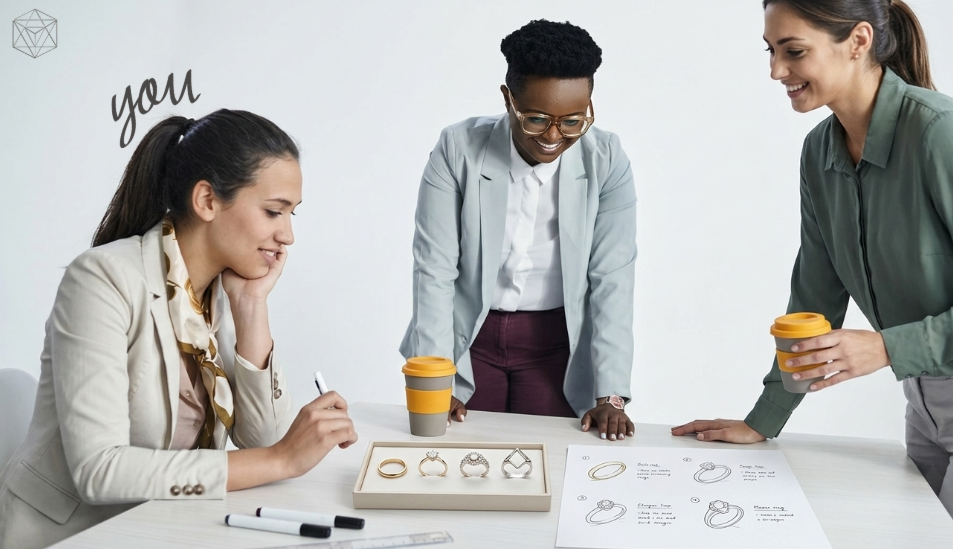
The future of custom creation isn't automated; it's collaborative. Technology plays a role, but the human element is irreplaceable.
On Takshila, your role begins the moment you arrive. You can browse our collection to find the right artisan for your vision, explore styles and materials, or design directly with our AI-design tool to turn an idea into a visual concept. That concept then goes to a real artisan who brings it to life with their hands.
You're not a passive buyer watching a cart fill up. You're an author. The product that comes out the other end carries your decisions, your taste, and your voice, alongside the skill of the person who made it.
This is what makes co-creation more than a commerce model. It's a new way of understanding the relationship between people and the things they own. Watch this TEDx talk on collaborative design to understand how this thinking is reshaping industries across the world.
Why Takshila Believes in Co-Creation
Takshila was built on a simple but radical belief: the three people behind every product - buyer, designer, and artisan deserve to be in the same room.
We are the world's first peer-to-peer co-fabrication platform. That means no middlemen, no brand markups, and no compromises. This co-creation process is intentional; we've built the infrastructure that connects real people from ideation to verified ownership, so every product on our platform carries a story that's permanent, transparent, and true.
We didn't build co-creation. Humans have been doing it since the first craftsperson sat down with a customer. What we created is the technology to make it work at scale.
Our platform treats artisans as irreplaceable collaborators, not replaceable labour. It treats buyers as co-creators, not consumers. And it treats every product as unique, with a real story behind how it was made and who helped create it.
Conclusion
Personalization has done something remarkable: it's made billions of people feel seen by algorithms. But there's a ceiling to what data can do. It can predict. It can be suggested. It can be optimized.
What it cannot do is make you a co-creator. It cannot place your decisions inside the product creation process. It cannot give you the feeling of what you hold in your hands.
Co-creation is what personalization can never beat. Takshila is building this category to make co-creation accessible, so people can move from passive buyers to active authors of the things they own.
Read how to co-create a product on Takshila to turn your idea into a story.
FAQs
1. What is co-creation?
Co-creation is a process where customers, designers, and artisans work together to create a product. Instead of buying something already made, the customer actively participates in shaping the outcome.
2. What is an example of co-creation?
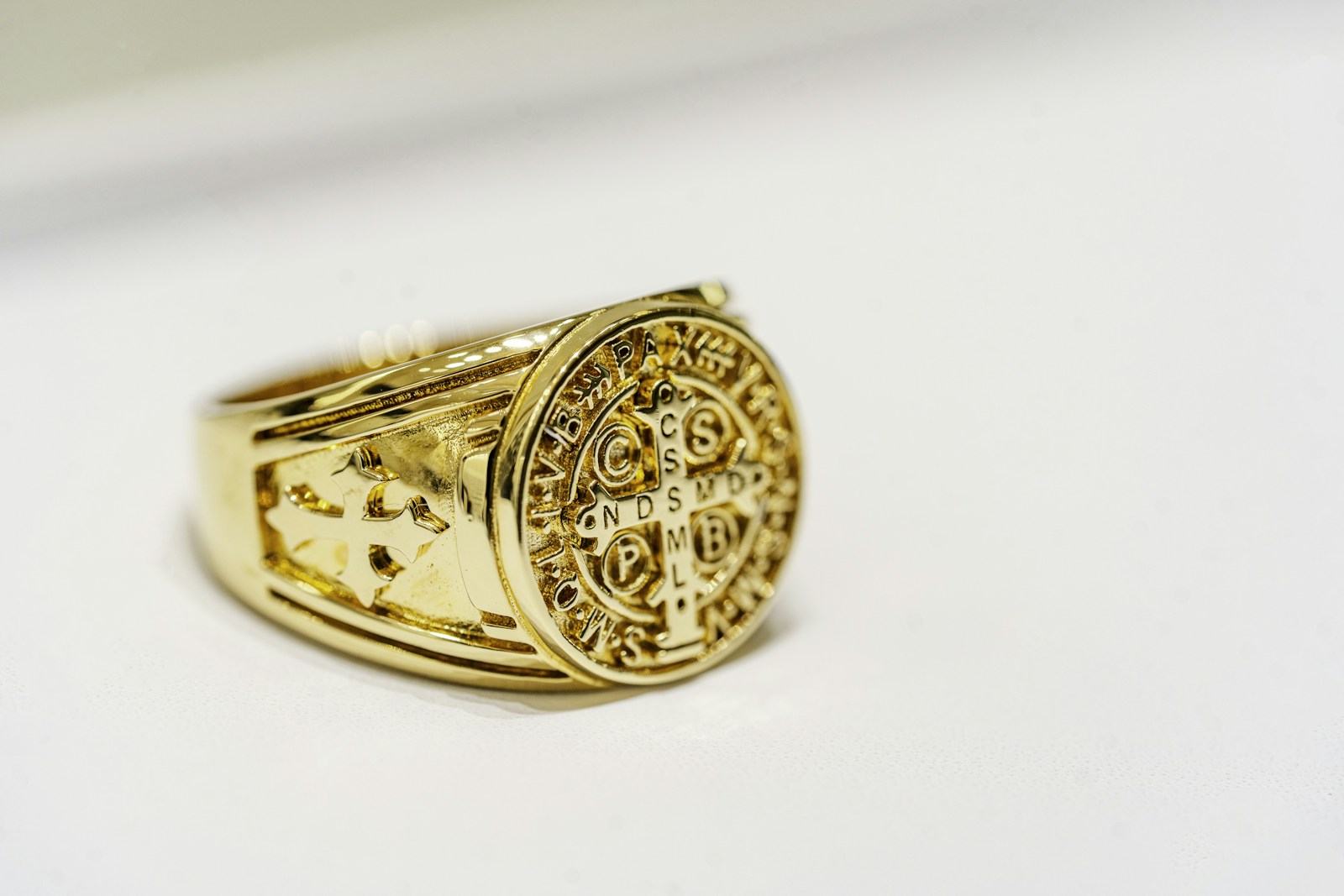
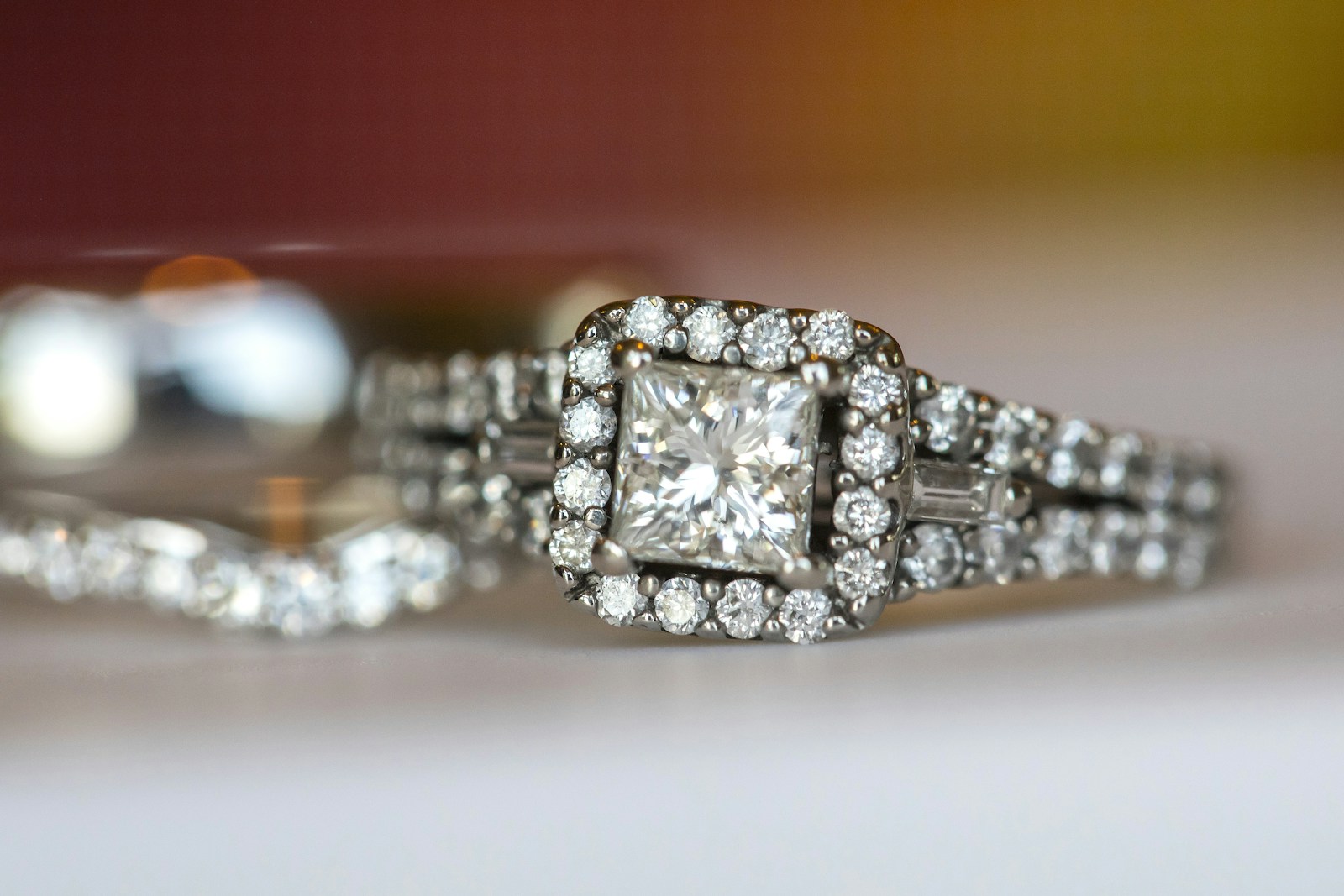
A simple example of co-creation is designing a custom piece of jewelry with an artisan. The customer shares ideas, chooses materials and design elements, while the artisan crafts the final product based on those decisions.
3. What is the difference between co-creation and personalization?
Personalization allows customers to choose from pre-made options, such as colors, sizes, or engravings. Co-creation involves customers in the product creation process itself, allowing them to influence design, materials, and other key decisions before the product is made.
4. Why is co-creation becoming popular?
Consumers today want products that reflect their identity, values, and creativity. Co-creation offers a deeper sense of ownership and meaning because customers can create the product rather than simply purchase it.
5. Why does Takshila believe in co-creation?
Takshila believes that buyers, designers, and artisans should collaborate directly. By removing middlemen and enabling transparent collaboration, Takshila helps create products with real stories, verified origins, and shared authorship.
6. What are the benefits of co-creation?
Co-creation creates stronger emotional connections, unique one-of-one products, greater transparency, fair opportunities for artisans, and products that better reflect the customer's vision and needs.