You order the same hoodie as 40,000 other people do, and it still doesn't fit you, right? That's the quiet frustration behind one of retail's biggest shifts.
In fact, nearly 70% of consumers say they prefer customized products over standard ones, a number that's only climbing as buyers get tired of shelves full of identical items. People want products that match their style, needs, and personality instead of buying the same thing as everyone else.
This isn't just a shopping preference anymore; it's a real decision about value, time, and how much you care about owning something that's actually yours.
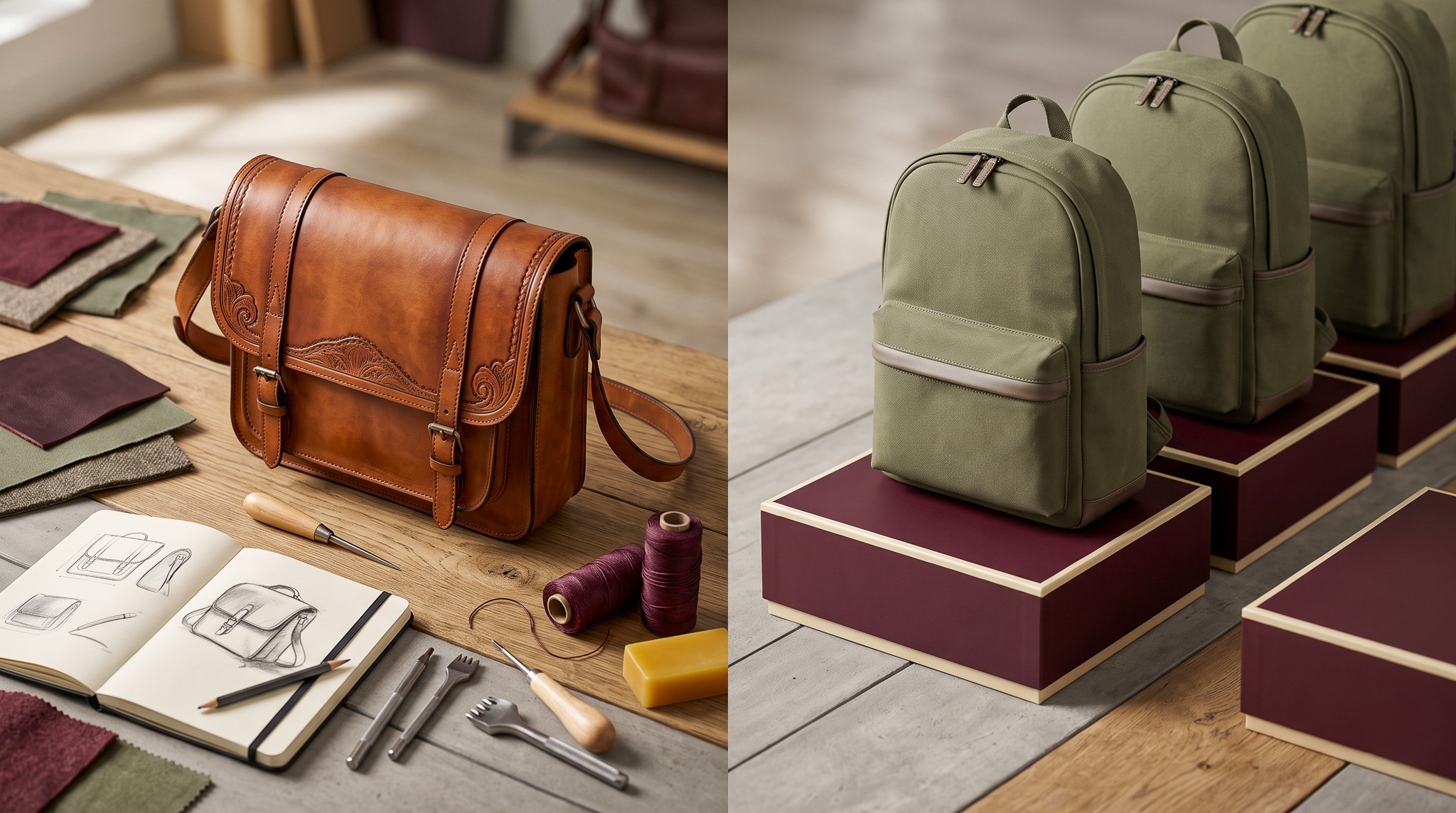
So, when it comes to custom products vs ready-made products, which is the better choice in 2026? In this blog, we'll compare both options to help you decide which gives you the best value, experience, and ownership.
Key Takeaways
- Custom products are made just for you, offering better fit, unique designs, and more control over materials and details.
- Ready-made products are faster and more affordable, making them a good choice for everyday or short-term purchases.
- Custom products usually cost more and take longer, but they often provide better long-term value for meaningful purchases like jewelry, furniture, and wedding outfits.
- More buyers in 2026 are choosing customization because they want transparency, quality, and a stronger connection with the people who make their products.
What Is a Custom Product?
A custom product is something made specifically for one person, based on their exact requirements: size, material, design, engraving, colour, or all of the above. Instead of picking from what's already sitting in a warehouse, you describe what you want, and someone builds it around that description.
This is different from a bespoke product in scale but similar in spirit. Bespoke usually implies a higher level of craftsmanship and one-on-one collaboration, often in categories like jewellery, tailoring, or furniture.
Meanwhile, a made-to-order item simply means production starts only after you place the order; there is no pre-made stock waiting on a shelf.
Advantages of Custom Products
Custom products are made just for you, so they offer many benefits that ready-made products can’t.
Choosing a custom-made item comes with real, practical upsides:
- Perfect fit and function: Designed to match your size, style, and needs. Whether it's clothing, jewelry, or furniture, it fits you better than something made for everyone.
- Unique design: Your product is created especially for you. This means you won't see other people wearing or using the same design, making it feel more personal and special.
- Choose your own materials: Decide the materials, colors, finishes, or details you want. This gives you more control over the quality and look of the final product.
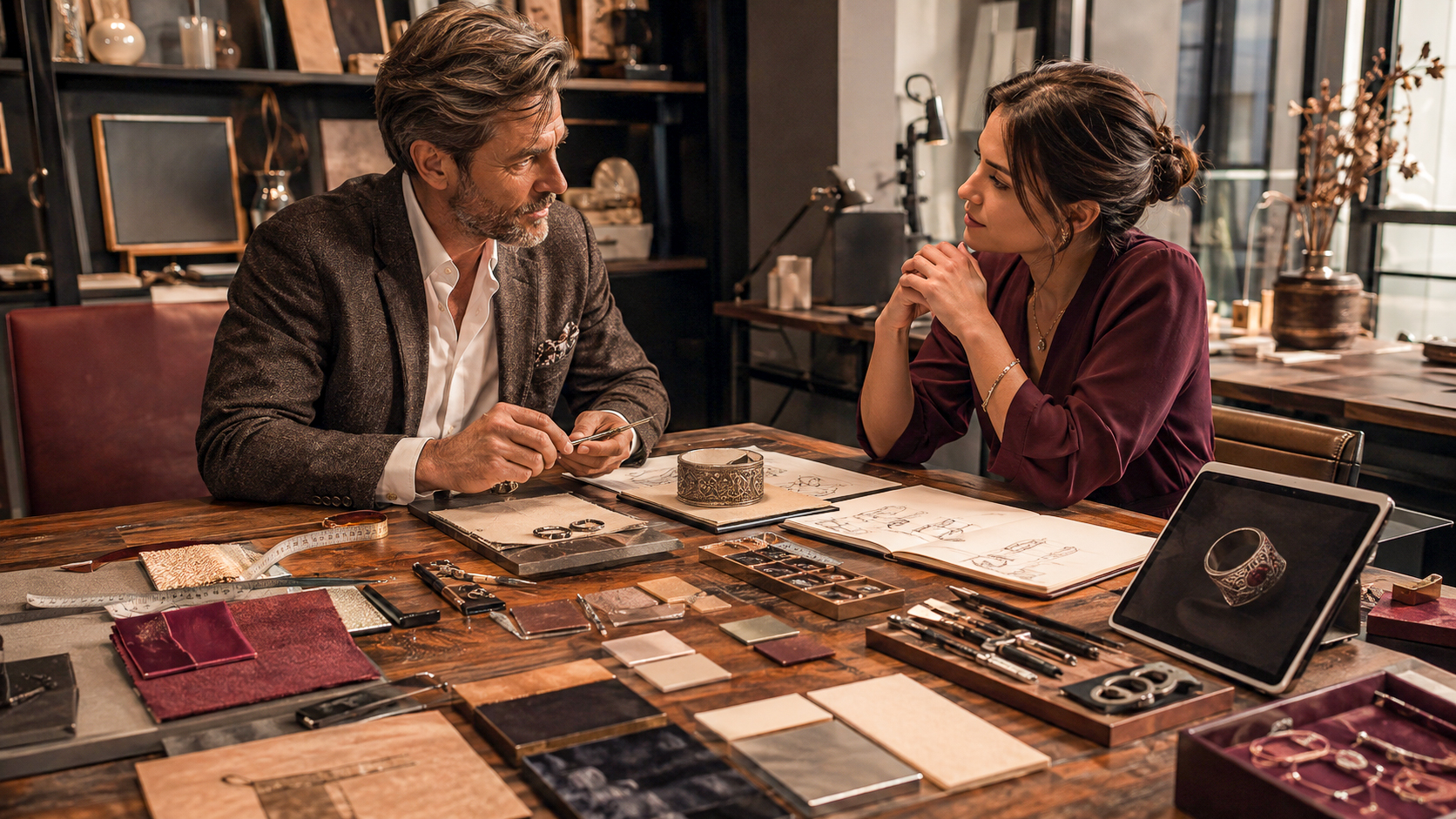
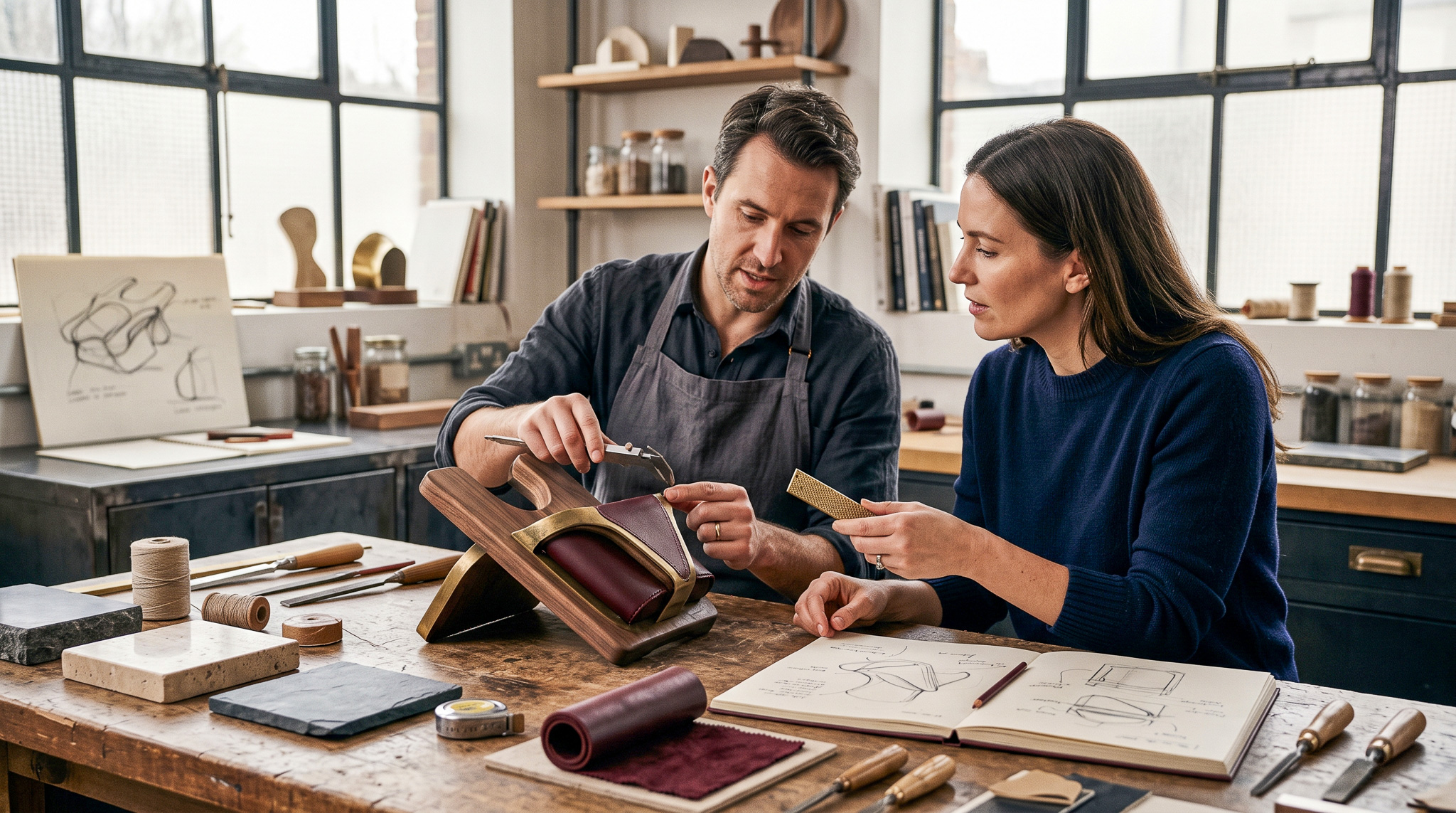
- Talk directly with the maker: When you order a custom product, you can communicate with the designer or artisan who is making it. You can ask questions, share ideas, and request changes during the process.
- More personal and meaningful: Because you help create the product, it has a story behind it. It becomes more than just something you bought; it's something made especially for you, making it more valuable and memorable.
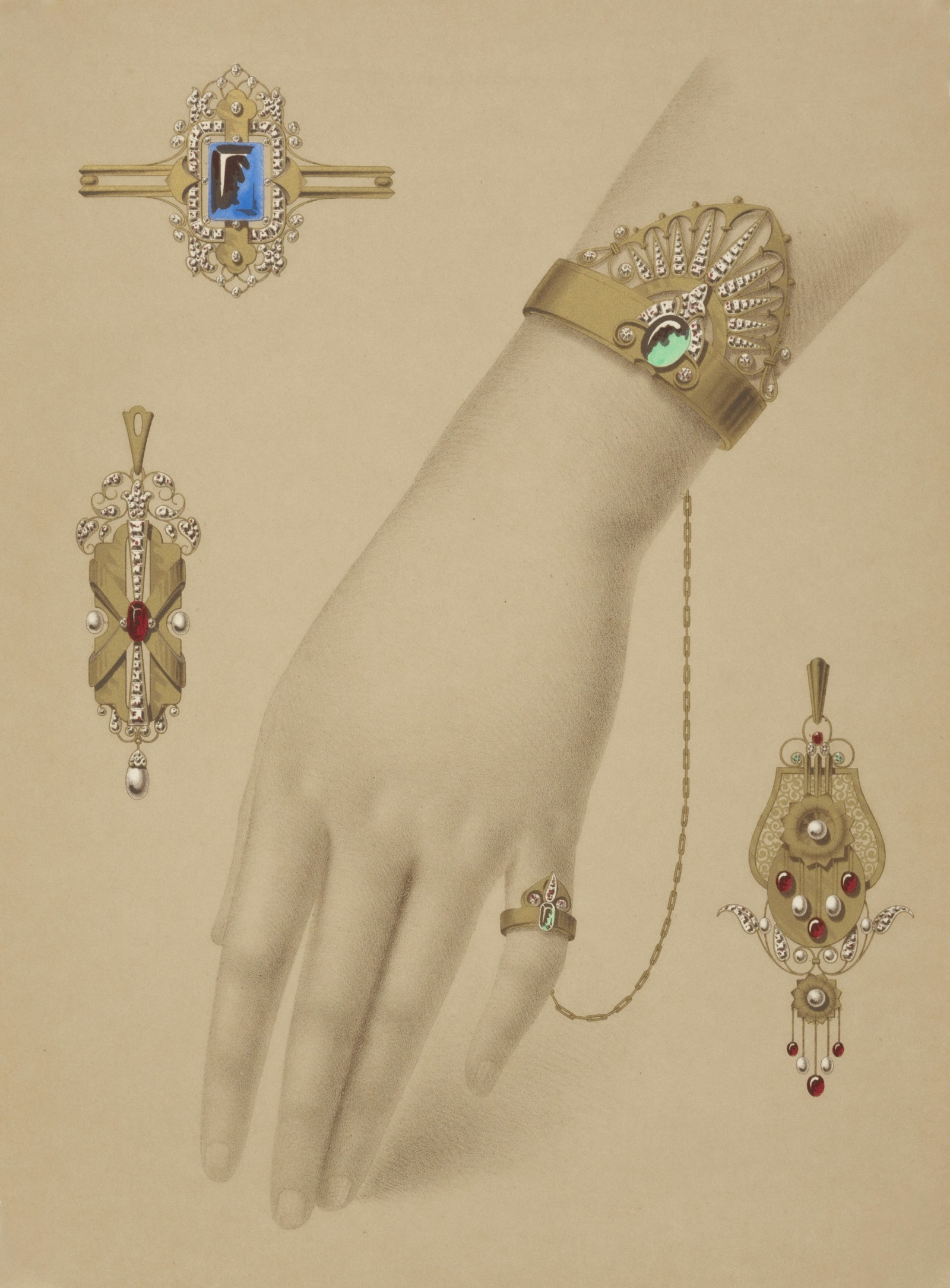
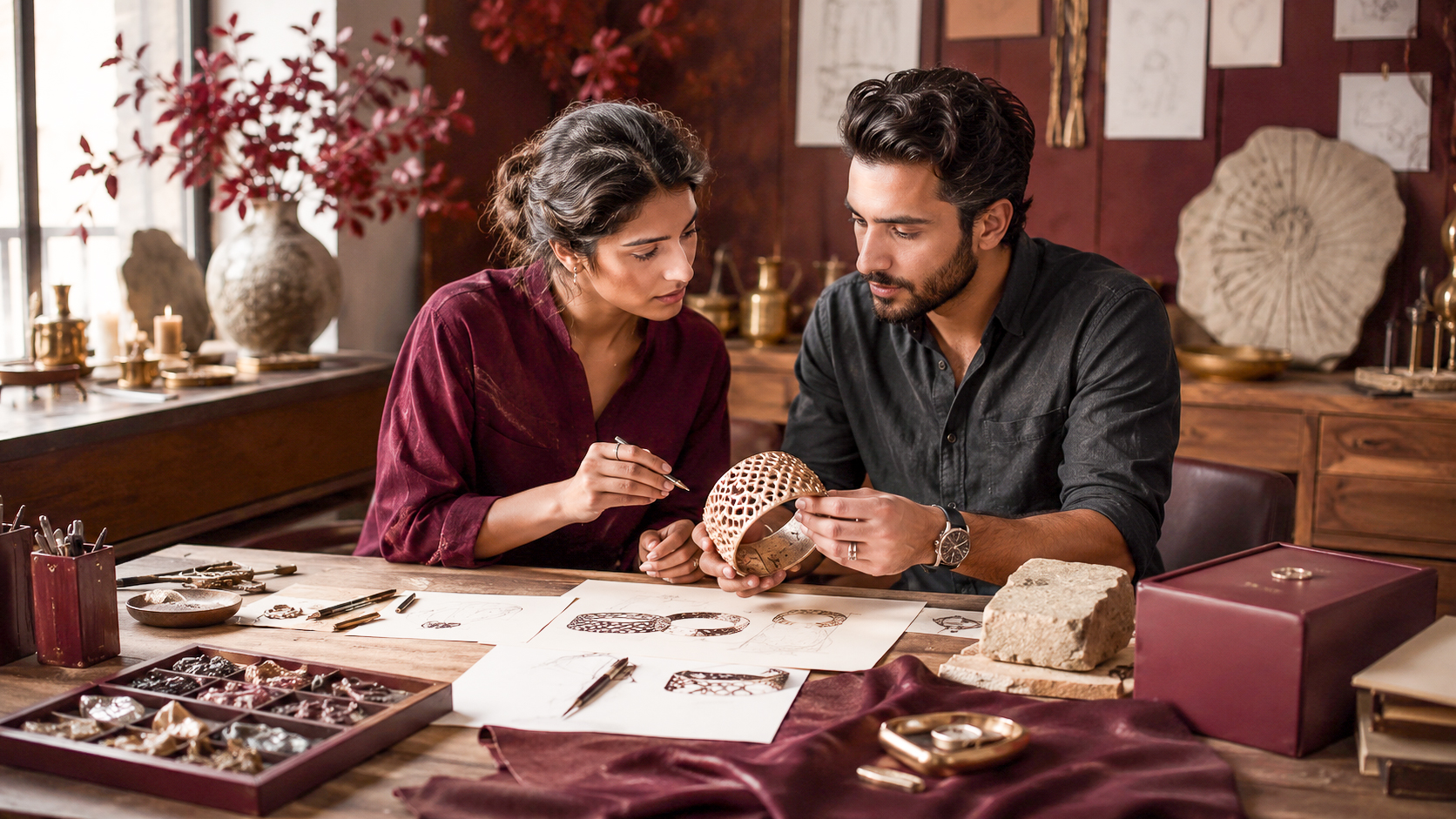
When comparing co-creation vs personalization, the difference is simple: personalization adds small changes to an existing product, while co-creation lets you work with the designer or artisan to create your piece from scratch.
Main Differences Between Custom and Ready-Made Products
Here's a simple custom vs ready-made comparison to make the decision easier:
Is a Custom Product Worth the Extra Cost?
This depends on what you're buying and why.
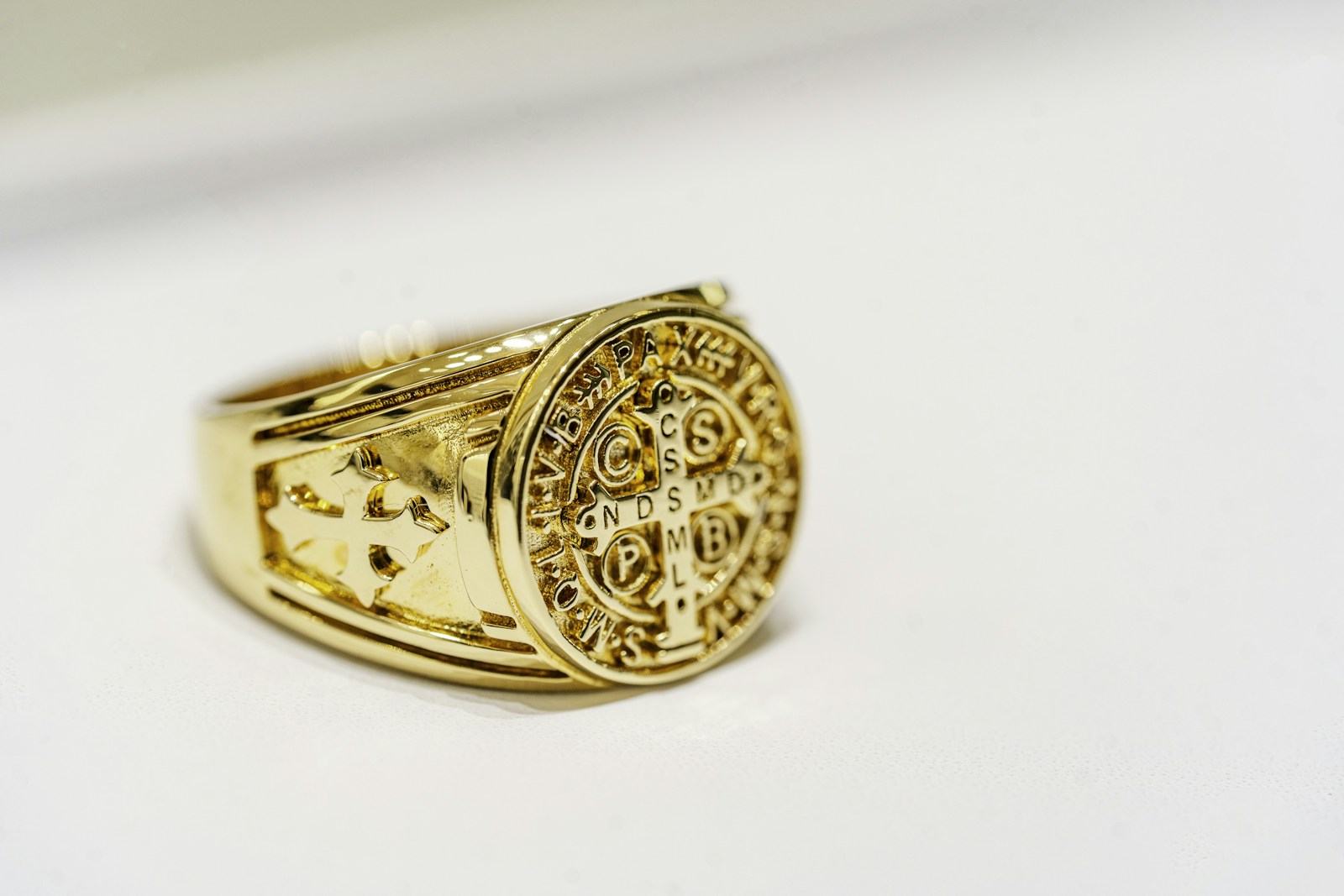
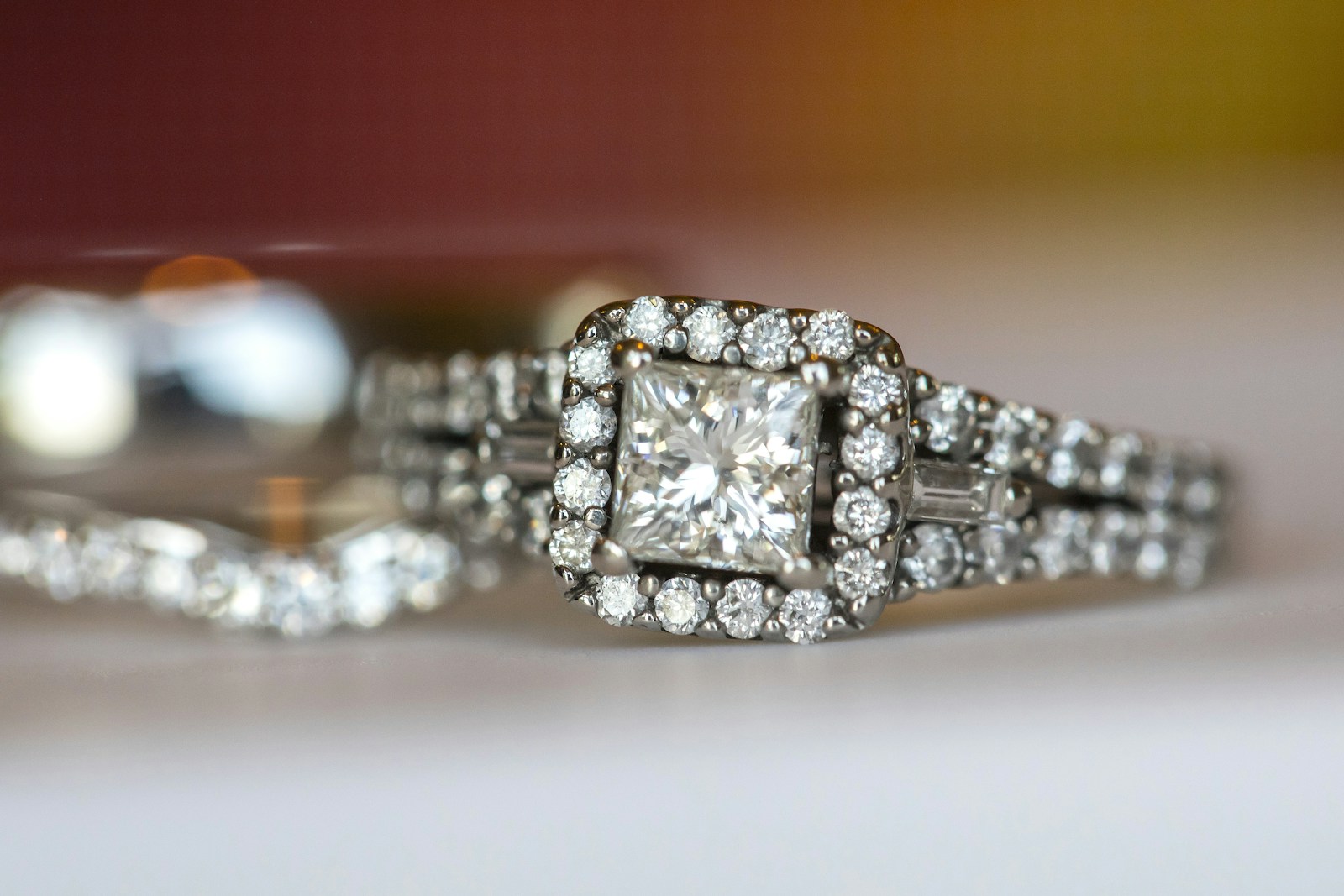
If you're buying something you'll use or keep for many years, like a ring, a piece of furniture, or a wedding outfit, a personalized product is often worth the extra cost. It fits your needs better, is usually made with more care, and feels more meaningful because it was created especially for you. Here, you're not paying for the product but paying for the maker's time, skills, and craftsmanship.
On the other hand, if you need something simple or for short-term use, a ready-made product is the better choice. For example, most people don't need a custom phone charger or a basic household item.
In the end, if the product is important to your style, comfort, or everyday life, a custom product often gives better long-term value, even if it costs more at first.
In fact, studies show that nearly 48% of consumers are willing to wait longer to receive a customized product because they value getting something made just for them.
Disadvantages of Ready-Made Products
Ready-made products are convenient, but they also have some disadvantages.
1. Generic fit: These products are made for the average customer, so they may not fit your size, style, or needs perfectly.
2. Quality inconsistency: Many ready-made products are mass-produced to keep costs low. This is common in the fast fashion supply chain, where products are often made quickly and cheaply, which can affect their overall quality and durability.
3. No input on design: You can only choose from the designs available in the store. If you want different colors, materials, or features, you usually don't have that option.
4. Shorter lifespan: Some ready-made products are made with lower-cost materials and faster production methods, which can reduce their durability over time.
5. Zero transparency: In most cases, you don't know who made the product, where it was made, or how it was produced. This makes it harder for buyers who care about craftsmanship, ethical production, or product quality.
Average Cost Difference
Here's a rough sense of how pricing typically compares across common categories:
The gap exists because a custom product involves labour, one-off design work, and material sourcing done specifically for you, not spread across thousands of identical units.
How Long Does It Take to Make a Custom Product?
The time needed to make a custom product depends on what you're ordering and how detailed the design is.
- Jewellery: Usually 1–3 weeks, depending on the design and craftsmanship.
- Clothing: Around 2–4 weeks, especially if measurements and fittings are required.
- Furniture: Usually 3–8 weeks, depending on the size, material, and design.
- Home Decor: Most handmade pieces take 1–3 weeks to complete.
On the other hand, ready-made items are already produced, so they can often be delivered the same day or within 2–3 days.
The biggest difference is simple: ready-made items save time, while custom products take longer because they are created especially for you. This extra time also helps preserve traditional craftsmanship, where skilled artisans carefully make each piece instead of producing products in large quantities.
Before placing your order, it's crucial to ask the questions to ask before ordering a custom product so you know what to discuss with the maker and what to expect from the process.
Which Option Is Better in 2026?
There is no single right answer—it depends on what you're buying and why you need it. However, one thing is clear: today's buyers want more control over what they own, more transparency about who makes their products, and a stronger connection to the story behind them.
That's why many platforms are moving from simple online shopping to co-fabrication, where customers work directly with designers and artisans to create something unique. Learn more about why handmade products matter with Doug Napier.
For everyday, low-involvement purchases, ready-made still wins on speed and cost. But for anything meaningful like jewelry, furniture, wedding outfits, custom products often provide better long-term value.
Conclusion
At the end, the custom product vs ready-made product question comes to what you value more, convenience or ownership. Ready-made gets you something fast.
Custom-made gets you something that's actually yours, made by a real person who understood exactly what you want. As more buyers lean toward transparency and originality, custom-made products are going to matter more.
See the difference by yourself?
Explore our community of makers, be a designer by creating your custom piece, or if you're a maker yourself, apply as an artisan. Co-create your custom product with artisans today and own something no one else does.
FAQs
1. What is the difference between custom-built and off-the-shelf?
Custom-built products are made specifically for your needs and preferences, while off-the-shelf products are pre-made and ready to buy immediately.
2. What is a custom-made product?
A custom-made product is created after you place an order. You can choose details like the size, material, color, design, or finish to match your preferences.
3. How long does it take to make a custom product?
The timeline depends on the product. Most custom jewelry takes 1–3 weeks, clothing 2–4 weeks, furniture 3–8 weeks, and home decor 1–3 weeks.
4. How do I invent my own product?
Start by identifying a problem you want to solve, creating a design or idea, choosing materials, and working with a designer, manufacturer, or artisan to bring your product to life.
5. Are custom-made products worth the extra cost?
Yes, for products you plan to use for a long time. Custom-made items often offer better quality, a perfect fit, and a more personal experience than mass-produced products.
6. Why are custom products more expensive than ready-made products?
Custom products cost more because they are made just for you. The price includes personalized design, skilled craftsmanship, higher-quality materials, and one-on-one production instead of mass manufacturing.